


Can a kinesiology tape roll be used for trapezius muscle pain?
The trapezius muscle, a large, diamond - shaped muscle located in the upper back and neck region, plays a crucial role in various movements of the shoulder, neck, and head. It is commonly involved in activities such as lifting, carrying, and even maintaining proper posture. However, due to its frequent use, the trapezius muscle is also highly susceptible to pain and injury. This pain can range from mild discomfort to severe, debilitating pain that affects daily activities. One potential solution that has gained significant attention in recent years is the use of kinesiology tape rolls.
As a supplier of kinesiology tape rolls, I have witnessed firsthand the growing interest in this product as a means of managing muscle pain, including trapezius muscle pain. Kinesiology tape is a thin, elastic adhesive tape that is designed to mimic the elasticity of human skin. When applied to the skin over a muscle, it provides support and stability while allowing for a full range of motion.
How Kinesiology Tape Works
To understand how a kinesiology tape roll can be used for trapezius muscle pain, it's essential to first understand how the tape works. The tape is applied in a specific pattern over the affected muscle. When the muscle contracts and relaxes, the tape stretches and recoils, providing a gentle pulling force on the skin. This pulling force has several beneficial effects:
Improving Circulation
The gentle pulling action of the kinesiology tape helps to lift the skin slightly away from the underlying muscle and tissue. This creates a micro - space between the skin and the muscle, which in turn improves blood and lymphatic circulation. Improved circulation is crucial for the delivery of oxygen and nutrients to the muscle and the removal of waste products such as lactic acid. In the case of trapezius muscle pain, better circulation can help to reduce inflammation and speed up the healing process.
Alleviating Pressure on Nerves
Trapezius muscle pain can sometimes be caused by pressure on nerves in the neck and shoulder area. The kinesiology tape can help to redistribute this pressure by providing support to the muscle. By reducing the stress on the muscle, the tape can relieve pressure on the nerves, which may alleviate pain and discomfort.
Providing Muscle Support
The tape acts as an external support system for the trapezius muscle. It helps to maintain the proper alignment of the muscle fibers, which can reduce the risk of further injury and provide relief from pain. This support is especially beneficial for people who engage in activities that put a lot of strain on the trapezius muscle, such as athletes, office workers who sit at a desk for long periods, and individuals who perform heavy lifting.

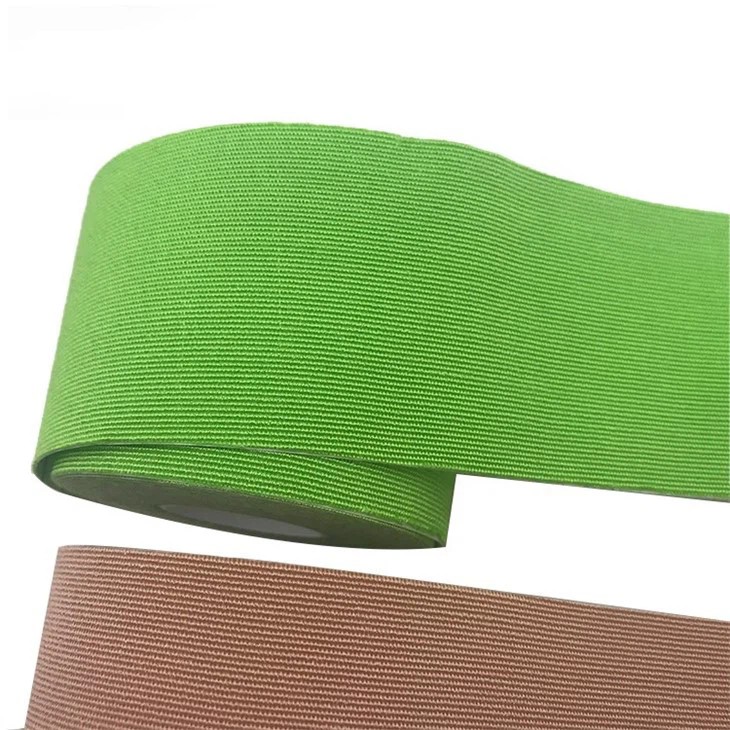
Applying Kinesiology Tape for Trapezius Muscle Pain
Applying kinesiology tape to the trapezius muscle requires some knowledge of the proper technique. Here is a general guide on how to apply the tape:
Preparation
Before applying the tape, make sure the skin over the trapezius muscle is clean, dry, and free of any lotions or oils. This will ensure that the tape adheres properly to the skin.
Measuring the Tape
Cut a length of kinesiology tape from the roll. The length will depend on the size of the area you need to cover. For the trapezius muscle, you may need a piece of tape that is long enough to span from the base of the neck to the shoulder.
Applying the Anchor
The anchor is the non - stretched part of the tape that is applied first. Place the anchor at the base of the neck, just above the trapezius muscle. Press the anchor firmly onto the skin to ensure good adhesion.
Stretching and Applying the Tape
Gently stretch the tape to about 50 - 70% of its maximum stretch. While stretching the tape, apply it over the trapezius muscle in a smooth, continuous motion. Make sure the tape follows the natural contour of the muscle.
Finishing the Application
Once the tape is applied, smooth out any wrinkles or bubbles by pressing firmly on the tape. You can also rub the tape gently to activate the adhesive.
Different Types of Kinesiology Tape for Trapezius Muscle Pain
There are several types of kinesiology tape available, each with its own unique features. As a supplier, I offer a variety of options to meet the diverse needs of my customers.
Rayon Kinesiology Tape
Rayon kinesiology tape is made from a blend of rayon and elastic fibers. It is known for its softness and breathability, which makes it comfortable to wear for extended periods. This type of tape is a great option for people with sensitive skin who may experience irritation from other types of tape. The softness of the rayon tape also allows for a more natural feel, which is important when applying the tape to the trapezius muscle, a large and highly mobile muscle.
Self - Cut Kinesiology Tape
Self - cut kinesiology tape gives users the flexibility to cut the tape into the desired length and shape. This is particularly useful when applying the tape to the trapezius muscle, as the muscle has a complex shape. With self - cut tape, you can customize the application to fit the specific needs of the muscle and the individual.
Hypoallergenic Kinesiology Tape
Hypoallergenic kinesiology tape is designed for people with allergies or sensitive skin. It is made with a special adhesive that is less likely to cause an allergic reaction. This type of tape is a safe choice for those who want to use kinesiology tape for trapezius muscle pain without worrying about skin irritation.
Evidence of Kinesiology Tape's Effectiveness for Trapezius Muscle Pain
While there is still ongoing research on the effectiveness of kinesiology tape, several studies have shown promising results. A study published in the Journal of Physical Therapy Science found that kinesiology tape application on the trapezius muscle significantly improved muscle strength and reduced pain in patients with chronic neck pain. Another study in the Journal of Sports Rehabilitation reported that kinesiology tape helped to improve shoulder function and reduce pain in athletes with trapezius muscle injuries.
Limitations and Considerations
It's important to note that kinesiology tape is not a cure - all for trapezius muscle pain. It is a complementary treatment that can be used in conjunction with other therapies such as physical therapy, massage, and stretching exercises. Additionally, the effectiveness of the tape may vary from person to person. Some people may experience significant pain relief, while others may notice only a mild improvement.
Also, proper application of the tape is crucial. If the tape is not applied correctly, it may not provide the desired support and benefits. It's recommended that individuals learn the proper application technique from a qualified healthcare professional or a physical therapist.
Conclusion
In conclusion, a kinesiology tape roll can be a valuable tool for managing trapezius muscle pain. Its ability to improve circulation, alleviate pressure on nerves, and provide muscle support makes it a viable option for those suffering from pain in the trapezius muscle. As a supplier of high - quality kinesiology tape, I am committed to providing products that meet the needs of my customers. Whether you are an athlete looking to prevent injuries, an office worker dealing with chronic neck pain, or someone recovering from a trapezius muscle injury, our range of Rayon Kinesiology Tape, Self - Cut Kinesiology Tape, and Hypoallergenic Kinesiology Tape can offer you the support and relief you need.
If you are interested in learning more about our kinesiology tape products or would like to discuss potential purchasing options, please feel free to reach out. We are here to assist you in finding the best solution for your trapezius muscle pain management needs.
References
- Journal of Physical Therapy Science. (Year). "Effect of kinesiology tape application on muscle strength and pain in patients with chronic neck pain."
- Journal of Sports Rehabilitation. (Year). "The impact of kinesiology tape on shoulder function and pain in athletes with trapezius muscle injuries."


