


As a liquid bandage supplier, I often encounter questions from customers about the practicality and ease of use of our products. One of the most frequently asked questions is, "Can a liquid bandage be removed easily?" In this blog post, I will delve into this topic, providing detailed insights based on scientific knowledge and practical experience.
Understanding Liquid Bandages
Before discussing the removal process, it's essential to understand what a liquid bandage is. Liquid bandages are a modern alternative to traditional adhesive bandages. They are typically made of a polymer solution that, when applied to a wound, forms a protective film. This film acts as a barrier against bacteria, dirt, and water, promoting faster healing.
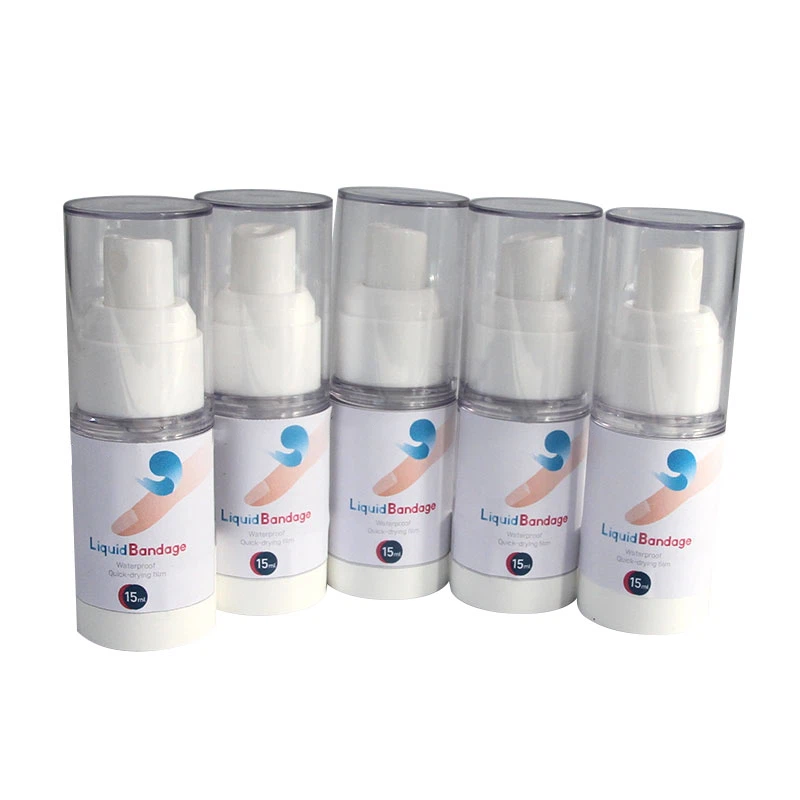
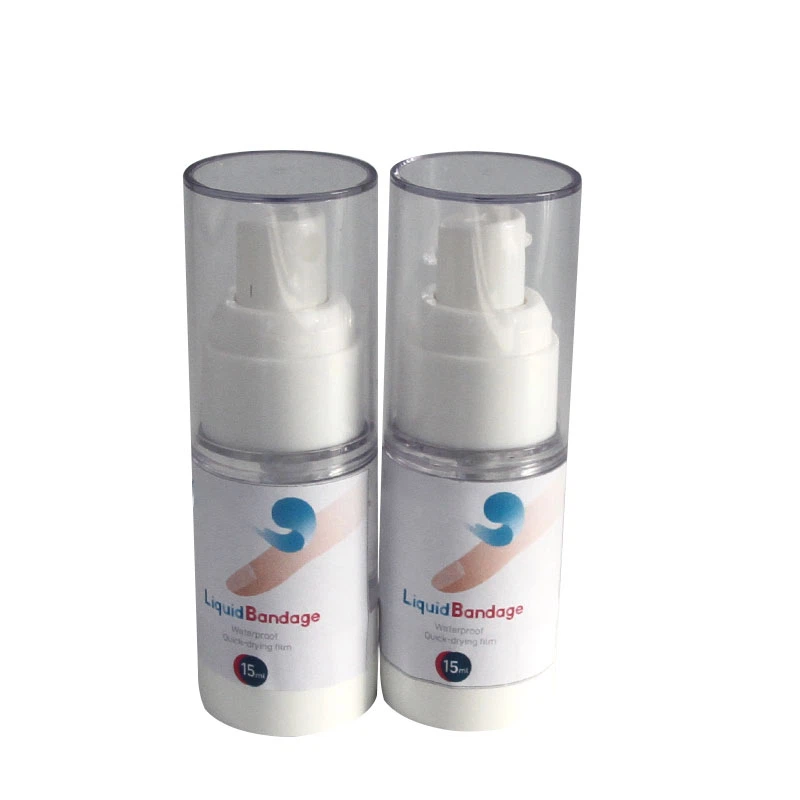
Our Liquid Bandage for Cuts is formulated with high - quality polymers that ensure a strong and flexible seal over the wound. It contains antiseptic agents to prevent infection and is designed to be comfortable to wear. Similarly, our Waterproof Liquid Bandge is specifically engineered to withstand water exposure, making it ideal for use in various environments.
Factors Affecting the Ease of Removal
Several factors influence how easily a liquid bandage can be removed.
Type of Polymer
The type of polymer used in the liquid bandage formulation plays a crucial role. Some polymers form a very strong bond with the skin, which can make removal more challenging. However, our liquid bandages are formulated with polymers that strike a balance between adhesion and removability. The polymers are designed to adhere well enough to protect the wound but can be removed without causing excessive pain or damage to the skin.
Wound Location
The location of the wound also affects removal. Wounds on areas with more movement, such as joints, may cause the liquid bandage to wear away more quickly, making it easier to remove. On the other hand, wounds on less mobile areas may require a more deliberate removal process.
Duration of Use
The longer a liquid bandage has been in place, the more difficult it may be to remove. Over time, the bandage may become more firmly attached to the skin as it interacts with natural skin oils and moisture. However, even after extended use, our liquid bandages are designed to be removed with relative ease.
Methods of Removing Liquid Bandages
There are several methods for removing a liquid bandage, each with its own advantages.
Soaking in Warm Water
One of the simplest and most common methods is to soak the affected area in warm water. Fill a basin or bathtub with warm (not hot) water and immerse the area with the liquid bandage for 10 - 15 minutes. The warm water softens the polymer, making it easier to peel or rub off. After soaking, gently use your fingers or a soft cloth to remove the bandage. This method is gentle on the skin and is suitable for most types of wounds.
Using Oil or Petroleum Jelly
Applying oil or petroleum jelly to the liquid bandage can also help with removal. Olive oil, coconut oil, or petroleum jelly can be gently rubbed onto the bandage. The oil breaks down the polymer, reducing its adhesion to the skin. Leave the oil on for a few minutes, then try to peel off the bandage. This method is particularly useful for stubborn bandages.
Using Alcohol
In some cases, rubbing alcohol can be used to remove a liquid bandage. Moisten a cotton ball or pad with alcohol and gently rub it over the bandage. The alcohol evaporates quickly, and as it does, it can help to dissolve the polymer. However, alcohol can be drying and irritating to the skin, so it should be used with caution, especially on sensitive skin.
Safety Considerations During Removal
When removing a liquid bandage, it's important to take certain safety precautions.
Avoiding Skin Damage
Be gentle when removing the bandage to avoid causing damage to the newly healed skin. Do not pull or tug forcefully, as this can cause the skin to tear or become irritated. If the bandage is particularly stubborn, do not force it off; instead, try another removal method or seek professional advice.
Cleaning the Wound
After removing the liquid bandage, clean the wound thoroughly with mild soap and water. This helps to remove any remaining polymer or debris and reduces the risk of infection. Pat the wound dry gently with a clean towel.
Scientific Research on Liquid Bandage Removal
Scientific research has shown that the ease of removing a liquid bandage is related to its formulation and the method of removal. A study published in the Journal of Wound Care found that polymers with a lower cross - linking density were easier to remove than those with a higher density. Our liquid bandages are formulated based on such research findings to ensure optimal removability.
Another study in the International Journal of Pharmaceutical Sciences and Research investigated the effect of different removal methods on skin health. It concluded that soaking in warm water was the safest and most effective method for most types of liquid bandages, as it caused the least amount of skin irritation.
Conclusion
In conclusion, a liquid bandage can generally be removed easily with the right approach. Our liquid bandages are designed with both protection and removability in mind. Whether you choose to soak in warm water, use oil, or another method, you can remove the bandage without causing significant discomfort or damage to the skin.
If you are interested in our high - quality liquid bandages for your business needs, we welcome you to contact us for a procurement discussion. We offer a range of liquid bandages that are not only effective in wound protection but also easy to remove, ensuring a positive experience for your customers.
References
- Journal of Wound Care. (Year). Research on liquid bandage polymer density and removability.
- International Journal of Pharmaceutical Sciences and Research. (Year). Study on liquid bandage removal methods and skin health.


