


When it comes to treating wounds, one question that often arises is whether it's safe and effective to use liquid bandage on a wound that is still bleeding. As a supplier of high - quality liquid bandages, I'm here to provide you with in - depth insights into this topic.
First, let's understand what liquid bandage is. Liquid bandage is a type of topical treatment that forms a protective layer over the wound. It typically contains ingredients like cyanoacrylate, which can bond to the skin and close the wound edges to some extent. This creates a barrier against bacteria, dirt, and water, promoting faster healing.
Now, the question of using it on a bleeding wound. In general, it is not recommended to apply liquid bandage directly to a wound that is actively bleeding. The main reason is that blood can interfere with the bonding process of the liquid bandage. When the liquid bandage is applied, it needs to adhere properly to the skin around the wound. Blood on the surface can prevent the liquid bandage from forming a tight seal. It may also mix with the liquid bandage, causing the bandage to not dry properly or form an uneven and less - effective barrier.
For example, if you have a small cut on your finger that is still oozing blood and you apply liquid bandage right away, the blood might prevent the liquid bandage from firmly attaching to the skin. This could lead to the bandage peeling off easily, leaving the wound exposed to potential infections.
Before using liquid bandage, it's crucial to stop the bleeding first. You can do this by applying gentle pressure to the wound with a clean cloth or gauze. Elevating the wounded area above the heart can also help reduce blood flow to the area and aid in stopping the bleeding. Once the bleeding has stopped, clean the wound gently with mild soap and water to remove any dirt or debris. Pat the area dry with a clean towel.
After the wound is clean and dry, you can then apply the liquid bandage. For minor cuts and abrasions, a small amount of liquid bandage is usually sufficient. You can use the applicator that comes with the product to carefully apply the liquid over the wound. Make sure to cover the entire wound area evenly.
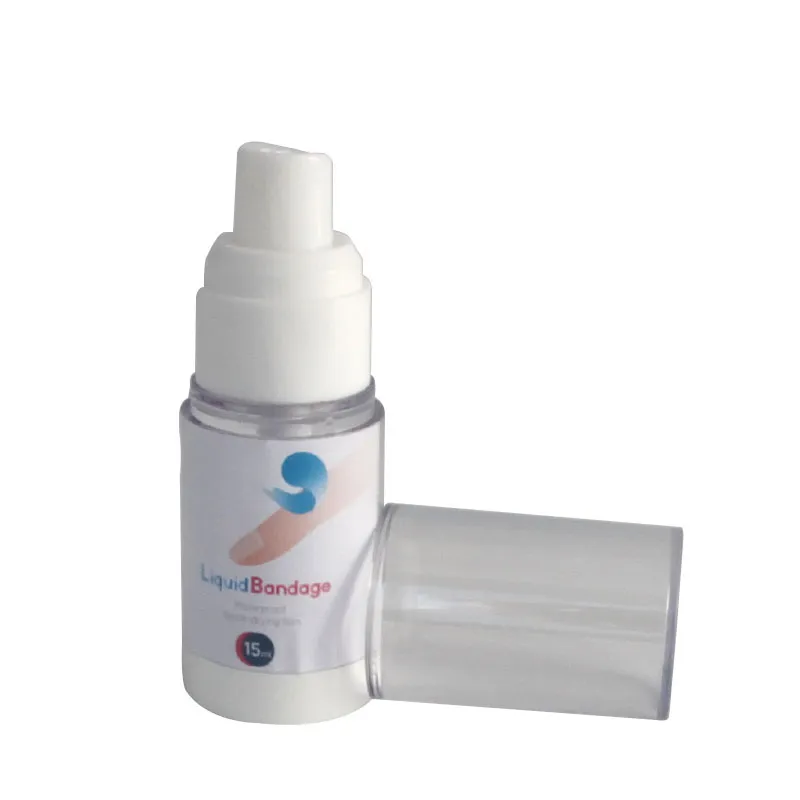

One of the advantages of using liquid bandage is its waterproof feature. Our Waterproof Liquid Bandge is designed to withstand exposure to water, which means you can still wash your hands or take a shower without worrying about the bandage coming off. This is especially useful for wounds on areas that are likely to get wet, such as the hands or feet.
Another application of liquid bandage is for cuts. Our Liquid Bandage for Cuts is formulated to provide a quick and effective way to seal cuts, promoting faster healing and reducing the risk of infection.
Liquid bandage also has some other benefits. It can help reduce pain and discomfort associated with the wound. The protective layer it forms can act as a buffer between the wound and the outside environment, minimizing irritation. It also allows the wound to breathe, which is important for the healing process.
However, it's important to note that liquid bandage is not suitable for all types of wounds. Deep or large wounds, puncture wounds, or wounds that show signs of infection (such as redness, swelling, or pus) should be evaluated by a medical professional. In these cases, liquid bandage may not be sufficient treatment, and more advanced medical care may be required.
When using liquid bandage, follow the instructions on the product carefully. If you experience any allergic reactions, such as itching, rash, or swelling, stop using the product immediately and consult a doctor.
As a liquid bandage supplier, we are committed to providing high - quality products that meet the needs of our customers. Our liquid bandages are made from safe and effective ingredients, and they have been tested to ensure their quality and performance.
If you are interested in our liquid bandage products for your personal use or for your business, such as a pharmacy, clinic, or first - aid kit supplier, we invite you to contact us for more information. We can offer you competitive pricing, bulk purchasing options, and excellent customer service. Whether you need a small quantity for your home first - aid kit or a large order for your business, we are here to assist you. Reach out to us to start a discussion about your specific requirements.
In conclusion, while liquid bandage is a useful tool for wound care, it should not be used on a bleeding wound. First, stop the bleeding, clean the wound, and then apply the liquid bandage for optimal results. Our range of liquid bandage products, including the Waterproof Liquid Bandge and Liquid Bandage for Cuts, offer effective solutions for minor wound care. Contact us to learn more about our products and start your purchasing journey.
References:
- American Academy of Dermatology. Wound Care Basics.
- Mayo Clinic. First - Aid: Wounds.


