


Can I use liquid bandage on an infected wound?
As a supplier of liquid bandage products, I often encounter various questions from customers regarding the appropriate use of our products. One of the most common inquiries is whether it's safe and effective to use liquid bandage on an infected wound. In this blog post, I'll delve into this topic, drawing on scientific knowledge and practical experience to provide a comprehensive answer.
First, let's understand what an infected wound is. An infected wound occurs when bacteria, viruses, or fungi invade the damaged tissue, leading to inflammation, pain, redness, swelling, and sometimes the production of pus. Infections can range from mild to severe, and the treatment approach depends on the type and severity of the infection.
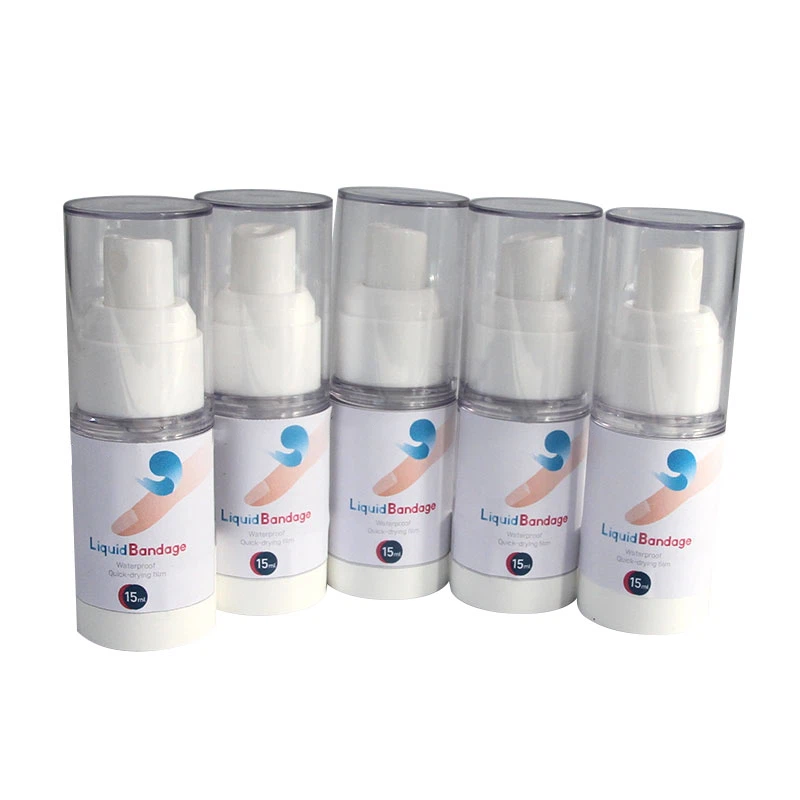
Liquid bandage, as the name suggests, is a liquid - based product that forms a protective layer over the wound when applied. It is designed to seal the wound, prevent dirt and bacteria from entering, and promote faster healing. Our Liquid Bandage for Cuts is formulated to provide a flexible and breathable barrier, which is ideal for minor cuts and abrasions.
However, when it comes to using liquid bandage on an infected wound, the situation is more complex. In general, it is not recommended to use liquid bandage directly on an infected wound without proper prior treatment. The main reason is that an infected wound needs to be cleaned and the infection treated before it can be effectively sealed. If you apply liquid bandage over an infected wound, it may trap the bacteria inside, preventing proper drainage of pus and other fluids. This can lead to the exacerbation of the infection, as the bacteria have a warm, moist environment to multiply in.
For example, if a wound shows signs of infection such as increased pain, redness spreading beyond the wound edges, or the presence of yellow or greenish pus, it is crucial to clean the wound thoroughly with mild soap and water or an antiseptic solution. You may also need to consult a healthcare professional, who might prescribe antibiotics if the infection is severe. Only after the infection has been controlled and the wound is clean can you consider using liquid bandage to protect the wound during the healing process.
On the other hand, there are some mild infections where liquid bandage can play a role. In cases where the infection is in the early stages and has been properly cleaned, a Waterproof Liquid Bandge can provide an additional layer of protection. Our waterproof liquid bandage is especially useful in such situations as it can prevent water and external contaminants from entering the wound while allowing it to breathe. This can speed up the healing process by creating a more favorable environment for cell regeneration.
It's important to note that when using liquid bandage on a wound that has previously been infected, you should closely monitor the wound for any signs of recurrence of infection. If you notice any new symptoms such as pain, swelling, or discharge, remove the liquid bandage and seek medical advice immediately.
Another aspect to consider is the ingredients of the liquid bandage. Our liquid bandages are formulated with safe and effective ingredients that have antibacterial properties to some extent. These ingredients can help prevent new infections from occurring after the wound has been treated. However, they are not a substitute for proper medical treatment of an existing infection.
In addition, the application method of liquid bandage is also crucial. When applying liquid bandage, make sure the wound is dry. Apply a thin layer evenly over the wound and let it dry completely. Do not apply too thick a layer, as this can impede the wound's ability to breathe and may cause the bandage to crack or peel off.

To sum up, using liquid bandage on an infected wound requires careful consideration. In most cases, an infected wound should be treated first to eliminate the infection before applying liquid bandage. But in mild and well - managed cases, liquid bandage can be a valuable tool for protecting the wound and promoting healing.
If you are a distributor, retailer, or an organization in need of high - quality liquid bandage products, we are here to provide you with the best solutions. Our liquid bandages are manufactured with strict quality control standards to ensure their safety and effectiveness. We offer a variety of liquid bandage products to meet different needs, whether it's for minor cuts, abrasions, or wounds that require waterproof protection.
If you are interested in purchasing our liquid bandage products, please feel free to contact us for more information about our products, pricing, and delivery options. We look forward to establishing long - term business relationships with you and helping you meet the needs of your customers.
References
- Medical textbooks on wound care
- Research papers on the use of liquid bandage in wound healing


