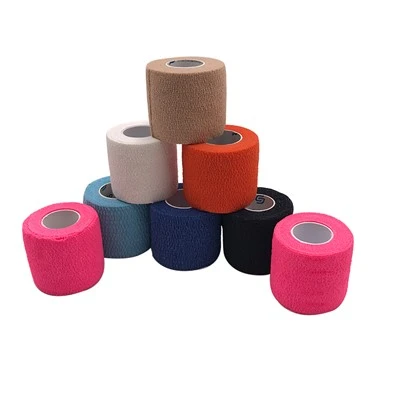
Introduction
Why does kinesiology tape work well for some people, while for others it peels off easily or causes discomfort? In most cases, the issue is not whether kinesiology tape is effective, but whether the correct kinesiology tape application techniques are used. Next, this article will guide you through answers to the most common questions about kinesiology tape application.

When Kinesiology Tape Should Not Be Applied
Before using kinesiology tape, it is important to evaluate whether the user's condition is suitable for application.
• Individuals with sensitive skin or a potential allergy to adhesives are advised to perform a small patch test before first use. If persistent itching, stinging, noticeable redness, or other discomfort occurs after application, the tape should be removed immediately.
• Kinesiology tape should not be applied to open wounds, infected skin, or areas with obvious damage, swelling, or redness, as this may interfere with the natural healing process.
• In addition, kinesiology tape is generally not recommended for individuals with conditions such as congestive heart failure, active infections, renal insufficiency, deep vein thrombosis (DVT), or active cancer.
Properly Preparing the Skin Before Applying Kinesiology Tape
Preparing the skin correctly before applying kinesiology tape ensures better adhesion and comfort. Here are the key steps:
1. Clean the Skin: Use a mild soap or alcohol to clean the area where the tape will be applied. Make sure the skin is dry and free of sweat, oils, lotions, or sunscreen residues.
2. Manage Hair: If the area has dense hair, trim it to about 3 mm instead of shaving completely. This reduces discomfort during removal and improves tape adherence to the skin.
Prepare the Kinesiology Tape Correctly
If you are using a roll of kinesiology tape, you need to:
• Cut the tape to the appropriate length for the area to be applied.
• Round the corners of the cut tape to reduce the risk of edges lifting or peeling.
• Fold back a few inches from one end, then peel off the backing paper.
Understanding Different Kinesiology Tape Shapes and Their Uses
Kinesiology tape can provide targeted support and correction depending on its cut shape. Common shapes and their applications include:
(1) I Strip: The most basic shape, suitable for supporting straight muscles or single areas, such as the arms, legs, or shoulders.

(2) Y Strip: Wraps around target muscles, such as the knee or elbow, and is commonly used for joint stabilization.

(3) X Strip: Covers large muscle areas or spans multiple joints, such as the hamstrings.

(4) Fan (or Spider) Strip: Typically used for lymphatic drainage or large muscle support, with a split design to increase coverage and improve circulation.

Usage Tips: Lightly rub the tape after application to activate its adhesive, and avoid overstretching to prevent skin discomfort or premature peeling.
Seek Professional Advice When Needed
You can follow general guidelines to apply kinesiology tape yourself, but if you are unsure how to tape a specific area or have questions about a particular injury, it is recommended to consult a sports medicine doctor, physical therapist, or chiropractor to ensure safe and effective application.
What to Do If Kinesiology Tape Gets Wet
High-quality kinesiology tape is usually water-resistant. If the tape gets wet during exercise or showering, gently pat it dry with a towel. Avoid using a hairdryer, as heat may melt the adhesive. If the edges start to lift or curl, you can trim the loose parts with scissors.
Remove Kinesiology Tape Safely
It is generally recommended to wear kinesiology tape for no more than 3 days. When removing the tape, please follow these guidelines:
• Peel the tape in the direction of hair growth.
• Remove it slowly, avoiding sudden or rapid pulling.
• Hold or gently press the skin with your other hand while peeling off the tape.
• For tape with strong adhesion, you can moisten it with warm water or apply a small amount of baby oil or olive oil to help it come off more easily.
• After removal, if any adhesive residue remains, clean the area with warm water or a mild cleanser to avoid skin irritation.
Choosing High-Quality Kinesiology Tape
Selecting high-quality kinesiology tape helps ensure support, comfort, and skin safety. Consider the following points:
Choose a Trusted Brand or Manufacturer
Reputable brands, such as L WELL, typically have strict quality control and provide comprehensive after-sales support.
Material Considerations
Common materials for kinesiology tape include cotton, rayon, and nylon. Cotton is breathable and comfortable, rayon is soft and conforms well to the skin, and nylon is durable and strong. Choose based on a balance of comfort and durability needs.
Check Water Resistance and Durability
High-quality tape should maintain adhesion during exercise, sweating, or brief exposure to water.
Refer to Professional Certifications
Choose products that are certified or have a strong reputation. L WELL's kinesiology tape is ISO 9001 certified, FDA approved, and meets EU CE standards.

Conclusion
Correctly applying kinesiology tape involves more than simply sticking it onto the skin. From understanding precautions to selecting high-quality products, each step is essential for achieving the best results.
We hope these eight tips help you make the most of your kinesiology tape. If you have any questions, feel free to contact us-our professional team is always ready to assist you.