Introduction
When sourcing athletic tape for wholesale or private-label programs, samples offer a practical way to confirm the product matches your intended market. A structured comparison helps buyers assess material, adhesion, support, sizing, and customization before committing to bulk production.
What Should Buyers Compare When Reviewing Athletic Tape Samples
A useful sample evaluation should focus on the specifications that directly influence application performance and user experience.
|
Evaluation Area |
What Buyers Should Check |
|
Material & Fabric |
Cotton / Blended Fabric, Weave Consistency, Surface Feel, Breathability |
|
Adhesion |
Initial Tack, Bonding Strength, Sweat Resistance, Removal Characteristics |
|
Support & Flexibility |
Rigidity, Elasticity, Stretch Recovery, Support Level |
|
Dimensions |
Width, Length, Thickness, Roll Construction |
|
Edge & Surface Quality |
Clean Edges, Uniform Coating, Smooth Surface, Consistent Winding |
|
Packaging |
Roll Labeling, Inner Core, Individual Packaging, Carton Configuration |
Comparing these details across samples gives buyers a clearer basis for selecting the specification that fits their target application and price positioning.
Athletic Tape by Width


How Should Buyers Compare Athletic Tape Samples Across Different Suppliers
When several suppliers provide athletic tape samples, buyers should compare them against the same specifications and testing conditions rather than judging each sample independently. This creates a more consistent basis for evaluating product suitability and selecting the specification that best matches the intended market.
- Use the Same Specification: Ask each supplier to provide samples with the same width, length, thickness, material construction, and adhesive requirements. Keeping these variables aligned makes it easier to identify genuine differences in product performance.
- Compare Samples Under the Same Conditions: Apply the samples using the same method, test duration, movement level, and environmental conditions. Consistent testing helps buyers make a clearer comparison of adhesion, flexibility, support, and overall handling.
- Record Results by Supplier: Maintain a simple comparison record covering the approved specifications, test observations, packaging details, and supplier information. This gives the procurement team a practical reference when moving from sample evaluation to bulk-order confirmation.
How Should Buyers Test Athletic Tape Adhesion
Assess adhesion under conditions that resemble intended use rather than through a simple touch test. Apply each sample to clean, dry skin or an appropriate test surface, then evaluate how quickly the adhesive bonds, how consistently it remains attached during movement, and how it responds to moisture and perspiration.
For sports-oriented products, buyers can also compare adhesion after repeated movement and moderate stretching. This helps distinguish a tape designed for everyday support from one intended for higher-intensity athletic applications.
How Do Material and Support Levels Compare Across Athletic Tape Types
Different athletic tape samples can serve different support requirements, so buyers should
compare the material structure with the intended sporting application.

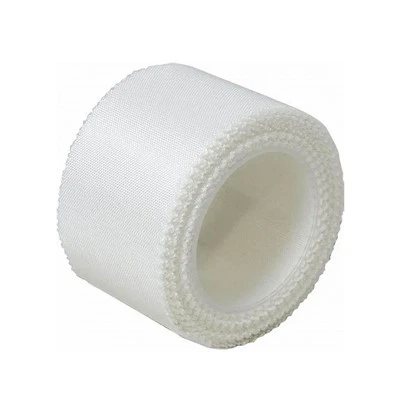
Regular Athletic Tape

Rigid Tape

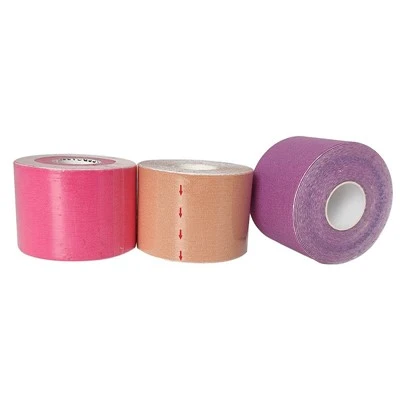
EAB Tape

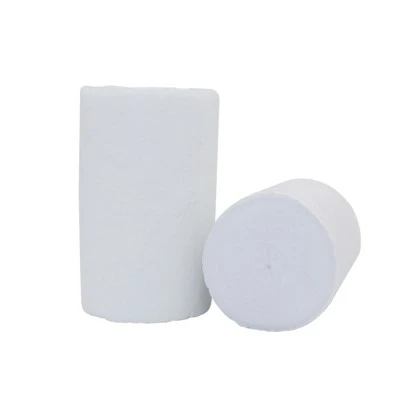
Foam Underwrap
Which Dimensions and Construction Details Should Samples Match
Sample dimensions should be compared against the exact specification planned for the bulk order. Width, roll length, thickness, inner core, winding quality, and edge finish can all affect application efficiency, packaging compatibility, and final product positioning.
Buyers should also confirm that the sample uses the same construction intended for mass production. A sample with the correct dimensions but different fabric, adhesive, or coating specification does not provide a reliable reference for the final order.
What Should Buyers Confirm With the Athletic Tape Manufacturer
Once the preferred sample has been identified, buyers should confirm that its specifications can be reproduced consistently during bulk production. Key points include:
- Material Specification: Confirm the fabric, adhesive system, thickness, and construction used in the approved sample.
- Production Consistency: Ask how the manufacturer controls material uniformity, adhesive coating, dimensions, and finished-roll quality.
- Customization Capability: Confirm available colors, logo printing, packaging formats, labeling, and other private-label options.
- Quality Control: Review inspection procedures and relevant quality documentation for the intended market.
- Order Requirements: Confirm MOQ, production lead time, sample approval procedures, and packaging specifications.
For buyers working with L WELL, these details can be discussed alongside the approved sample to establish a clear production reference before bulk manufacturing begins.
L WELL's Capabilities


Customizable Options


How Should Buyers Make the Final Sample Decision
The best sample is not necessarily the one with the strongest adhesion or highest support level. Buyers should select the specification that creates the right balance between application performance, user comfort, product positioning, and target-market requirements.
A simple comparison sheet can help procurement teams score each sample against the same criteria and record the approved specification for future repeat orders.
Conclusion
Comparing athletic tape samples before a bulk order allows buyers to connect product specifications with real application requirements and commercial positioning. A structured sample review also creates a clear technical reference for consistent future production. Contact us to discuss athletic tape samples, specifications, and wholesale or private-label requirements.