Introduction
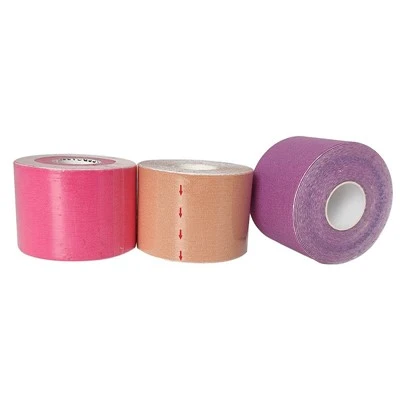
Many people experiencing pain in the lower back and legs may seek non-medication-based therapies, among which kinesiology tape has gained attention for its ease of use. But can it truly relieve sciatica? This article will explore the role of kinesiology tape in managing sciatica and the key considerations for its use.

What Is Sciatica?
Sciatica refers to a condition in which the sciatic nerve is compressed or irritated, causing pain, numbness, or tingling that typically runs from the lower back through the buttocks and down the leg. Common causes include herniated discs, bone spurs, muscle tightness, or poor posture. While medication and physical therapy can effectively relieve symptoms, many people also look for additional support through non-medication methods such as kinesiology tape.

How Kinesiology Tape Works
Kinesiology tape works by applying gentle tension to the skin, slightly lifting its surface. This lifting creates small spaces between the skin and underlying tissues, altering skin tension and sensory receptor signals, and may also influence local blood and lymph flow. In simple terms, it physically alters the sensory input from the skin and muscles.
The Role of Kinesiology Tape in Sciatica
Kinesiology tape helps relieve sciatica by supporting affected tissues and reducing nerve stimulation. It has the following effects depending on the underlying cause:
- Herniated disc issues: The tape can reduce pressure on the skin and fascia in the lower back, which may help relieve pressure on the affected nerve roots.
- Piriformis syndrome: The tape can help relax tight piriformis muscles, reducing pressure on the sciatic nerve.
- General pain and inflammation: Applied along the pathway of leg pain, the tape can interfere with pain signal transmission and may help alleviate inflammation along the entire nerve pathway.
It's important to note that individual responses vary, and factors such as taping technique, placement, and duration can affect the outcome.
How to Apply Kinesiology Tape for Sciatica
To help relieve sciatica, kinesiology tape can be applied in different ways, with the specific method depending on the location and cause of the pain.
Preparation:
- Ensure the skin is clean, dry, and free of oils or lotions.
- Round the corners of the tape to prevent it from catching on clothing or peeling off.
1. Lumbar Spine Decompression
- Have the patient bend forward to stretch the skin of the lower back.
- Cut two "I"-shaped strips, each about 6–8 inches (15–20 cm) long.
- Apply the strips vertically on either side of the spine, stretching the middle of each strip about 25%.
- (Optional) Apply a third horizontal strip over the most painful area of the lower back, stretching the middle 25–50%.

2. Piriformis and Gluteal Support
- Locate the piriformis muscle deep in the buttock (a therapist can assist).
- Patient lies prone or on their side, bending the top knee forward to stretch the gluteal muscles.
- Apply a single "I"-shaped strip with 25–50% stretch directly over the piriformis, from the sacrum (tailbone) toward the hip.
3. Following the Pain Pathway
- Use a long "I"-shaped strip.
- Anchor the tape at the painful area (e.g., lower back or buttock) without stretching.
- Gently stretch the tape 10–15% along the back of the thigh and down the leg, following the path of pain.
- Anchor the end near the ankle or foot without stretching.
Precautions When Using Kinesiology Tape for Sciatica
When using kinesiology tape to help relieve sciatica, the following points should be considered:
- Avoid skin issues: Do not apply the tape on areas with wounds, redness, or skin irritation, as it may worsen the condition.
- Pay attention to comfort: The tape should feel natural and comfortable. If you experience sharp pain, excessive pulling, or discomfort, adjust or remove it promptly.
- Combine with other therapies: Kinesiology tape is best used as a supportive method and should be combined with stretching or moderate exercise for better results.
Conclusion
Overall, kinesiology tape can serve as a supportive tool for relieving sciatica, helping to support muscles and reduce nerve irritation, which may improve comfort during daily activities.
Struggling with limited mobility due to sciatica? L WELL's kinesiology tape provides supportive relief and helps ease nerve discomfort, making daily movement more comfortable. Contact us today to find the product that's right for you!