Introduction
The ulnar collateral ligament of the thumb, commonly known as skier's thumb, is a common hand injury in sports. Using proper taping techniques can provide effective support for the injured thumb. This article will explain in detail how to correctly tape for skier's thumb.
Causes and Symptoms of Skier's Thumb
Skier's thumb is primarily caused by an overextension or sprain of the ulnar collateral ligament (UCL) of the thumb. This type of injury often occurs during skiing, contact sports, or accidental twisting of the hand-for example, falling while holding a ski pole or experiencing a direct impact to the thumb.
Common symptoms include:
• Pain and Tenderness: Sharp pain at the base of the thumb or ligament area, especially when gripping or pinching objects.
• Swelling and Bruising: The injured area may become swollen, sometimes accompanied by localized bruising.
• Limited Mobility: Flexion, extension, or pinching movements of the thumb may be restricted, affecting daily activities and sports performance.
• Joint Instability: In severe cases, the thumb may feel loose or "give way" during movement.

Step-by-Step Guide: How to Tape for Skier's Thumb
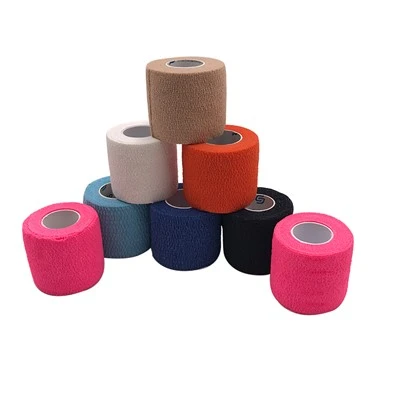
Materials Needed: L WELL athletic tape, scissors
Step 1: Prepare the Thumb
Make sure the thumb is clean and completely dry. Dry skin improves tape adhesion and reduces the risk of skin irritation or tape peeling.
Step 2: Apply the Base Layer
Cut a piece of tape to an appropriate length (about 15–20 cm long and 0.5 cm wide). Gently place the base of the tape on the radial side of the thumb (the side near the palm), lightly crossing it over the joint near the base of the thumb, and secure the end on the back of the hand to form a basic support layer.
Step 3: Apply the Second Strip
Cut a second piece of tape and place it on the inner side of the thumb joint. Then pull the tape from the palm side of the thumb toward the side of the hand, then from the back of the thumb toward the back of the hand. Finally, wrap it around the base of the little finger, back to the palm side of the thumb joint, and return to the base of the thumb joint, forming a figure-eight pattern.
Step 4: Check and Adjust
After taping, gently move the thumb to ensure the joint feels stable and there is no increased pain. If the tape feels too tight or uncomfortable, adjust its position and tension as needed.

Key Tips and Safety Precautions for Taping Skier's Thumb
When taping the thumb, following these tips can help improve support and ensure safety:
• Regularly check the tape during sports or training to make sure the thumb remains properly supported.
• Replace the tape if it becomes loose, wet, or causes discomfort.
• For severe ligament tears or significant pain, consult a healthcare professional instead of relying solely on taping.
• During high-intensity activities, consider using a thumb brace or splint in combination with tape for extra stability and protection.
Conclusion
Mastering the correct taping technique for skier's thumb can effectively stabilize the thumb joint, reduce pain, and provide essential support during activity. As a professional athletic tape manufacturer, L WELL offers high-quality, durable, and comfortable tape products to support safe sports performance and rehabilitation. Contact us now for professional tape solutions to provide reliable protection for your thumbs.