Introduction
When your wrist is injured or fatigued, you can use kinesiology tape to relieve discomfort, stabilize the joint, and support rehabilitation. Proper taping not only helps reduce pain effectively but also provides additional support during sports or daily activities, preventing further injury. This article will explain how to correctly tape your wrist with kinesiology tape to help you protect your wrist safely and effectively.
Benefits of Using Kinesiology Tape for the Wrist
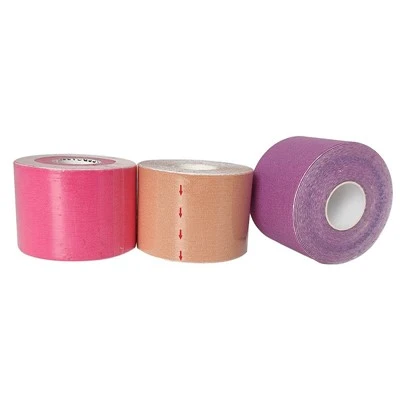
Kinesiology tape is designed to mimic the elasticity of human skin, providing flexible support without restricting wrist movement. Applying it to the wrist can help achieve the following benefits:
• Stabilize the wrist joint, enhancing support during movement.
• Promote blood circulation, reducing swelling and inflammation.
• Relieve minor sprains or tendon irritation, alleviating discomfort.
• Assist rehabilitation exercises, speeding up the recovery process.

How to Tape Wrist with Kinesiology Tape: Step-by-Step
For optimal support and stability, follow these simple steps to tape your wrist with kinesiology tape:
Step 1: Prepare the Wrist
Clean the wrist skin thoroughly, ensuring it is free of oil and moisture. Cut two pieces of kinesiology tape to the appropriate length.
Step 2: Apply the First Strip
Anchor the first strip on one side of the wrist (near the palm or little finger side). Wrap it halfway or fully around the wrist toward the opposite side, forming a basic support loop.
Step 3: Apply the Second Strip
Start the second strip at the back of the hand, near the fingers, and extend it along the back of the wrist toward the forearm. Lightly stretch the middle section to provide elastic support without over-tightening, ensuring proper circulation.
Step 4: Secure and Check
Attach the ends of the tape to the skin without stretching, gently press it to ensure secure adhesion, and optionally move the wrist a few times to confirm the tape is stable, without slipping or rolling.

Precautions and Common Mistakes
Before or after applying kinesiology tape, keep the following precautions in mind to ensure safe and effective use:
Avoid Damaged or Sensitive Skin
Kinesiology tape should not be applied directly to wounds, abrasions, or areas with skin allergies to prevent irritation or infection.
Apply Moderate Stretch, Avoid Over-Tightening
The middle section of the tape can be lightly stretched for support, but excessive stretching may affect blood circulation and cause numbness or discomfort in the fingers.
Keep the Skin Clean Before and After Application
Clean the skin to remove oil and moisture before applying the tape. After application, avoid immediate exposure to water or excessive friction to prolong its effectiveness.
Monitor for Any Reactions
When using for the first time, pay attention to skin reactions. If redness, itching, or pain occurs, remove the tape immediately and consult a professional.
Conclusion
Properly applied kinesiology tape can provide flexible support, relieve pressure and pain, and help maintain stability during exercise or rehabilitation. By following the correct taping steps and techniques outlined above, you can maximize the effectiveness of KT tape, protect wrist health, and enhance both athletic performance and recovery.
L WELL: Professional Wrist Support Solutions
Want more stable and comfortable wrist taping? Choose L WELL Kinesiology Tape to easily master the correct taping techniques and protect your wrist health. Contact us now for professional advice and product support.