Introduction
In daily life, people often use cohesive bandages, which may accidentally get wet from water or become damp from sweat during sports and exercise. This raises an important question: are cohesive bandages waterproof? In this article, we will take a closer look at cohesive bandages and examine their water resistance, helping you understand how to use them effectively.
What is a cohesive bandage?
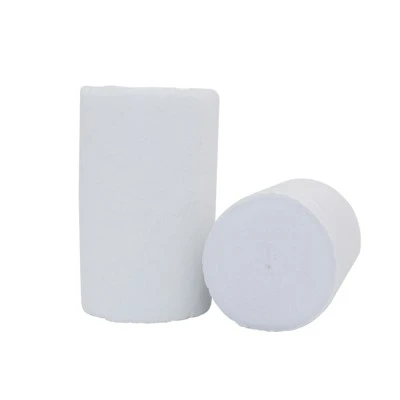
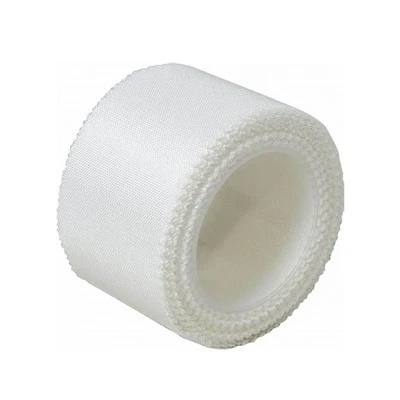
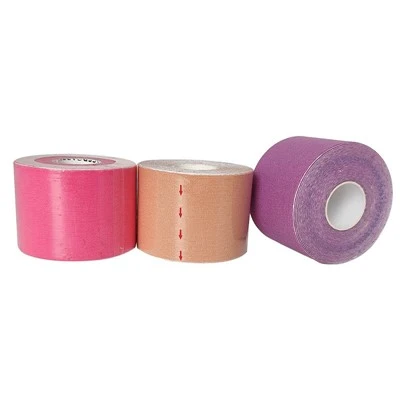
A cohesive bandage is a self-adhering wrap made of elastic fabric or non-woven material. Unlike traditional medical adhesive tapes, it sticks to itself without adhering to the skin or hair. This feature makes it a suitable choice for securing dressings, supporting joints, or providing compression, and it is therefore widely used in sports medicine, veterinary care, and everyday first aid.

Water Resistance of Cohesive Bandages
The water resistance of cohesive bandages varies slightly depending on the material. Bandages made of ordinary fabric have limited water resistance and easily absorb moisture, potentially reducing their adhesive strength. Some waterproof bandages, however, are coated or made of polymer materials, allowing them to resist light water contact for a short period while maintaining their self-adhesiveness. These bandages are suitable for situations involving heavy sweating during exercise or for pet bathing, but prolonged water immersion should still be avoided.
Tips for Using Cohesive Bandages in Wet or Humid Conditions
To ensure optimal performance, consider the following practical tips when using cohesive bandages in damp or water-prone environments:
• If the bandage is likely to be exposed to moisture, apply a waterproof film or protective sleeve over the outer layer to minimize direct contact with water.
• Avoid prolonged immersion, as extended exposure to water can reduce the bandage's self-adhesive strength and compromise skin protection.
• Replace the bandage promptly if it becomes wet, loose, or no longer provides adequate support. This helps reduce the risk of skin irritation or infection.
By following these guidelines, you can maximize the lifespan of cohesive bandages and ensure effective protection for wounds or supported areas, even in humid conditions.
FAQ
Q: Can cohesive bandages be used while showering or swimming?
A: No. Even waterproof cohesive bandages are not designed for showering, swimming, or prolonged water immersion. If temporary moisture protection is needed, a waterproof film or protective cover can be applied over the bandage for short-term use.
Q: How can I tell if a cohesive bandage is waterproof?
A: Check the product description or packaging. Cohesive bandages with water resistance are typically labeled "water-resistant" or "waterproof." If no such indication is provided, the bandage should be considered a standard type with limited moisture resistance.
Q: Can a cohesive bandage regain its adhesion after getting wet and drying?
A: In most cases, no. Once a cohesive bandage becomes wet, its self-adhering strength and support performance may be permanently reduced, even after air drying. Reuse is generally not recommended.
Conclusion
Overall, cohesive bandages offer some degree of moisture resistance but are not completely waterproof. When used in daily life, during sports, or for pet care, it is important to minimize direct contact with water to ensure their effectiveness.
Looking for safe and reliable cohesive bandages?
L WELL offers a wide range of cohesive bandages, crafted with high-quality materials to ensure every wrap is secure and comfortable.
Contact us today to get professional guidance and customized solutions!