Introduction
The best kinesiology tape for sensitive skin should be evaluated through more than a hypoallergenic label. Buyers need to check fabric comfort, adhesive type, breathability, elasticity, removal experience, and sample performance. This helps sensitive skin kinesiology tape fit sports, rehabilitation, medical distribution, and retail channels.
What Does Hypoallergenic Kinesiology Tape Mean for Sensitive Skin Buyers
Hypoallergenic kinesiology tape is designed to offer a more skin-friendly wearing experience while still providing stable adhesion and flexible movement support. For buyers, this means the product should balance comfort, elasticity, breathability, and adhesive reliability instead of focusing only on low-irritation positioning. A suitable sensitive skin kinesiology tape should feel soft on direct skin contact, stay secure during sports recovery or muscle support, and be removable with a cleaner, gentler experience.

Which Material Features Support Sensitive Skin Comfort
Material selection is one of the first details buyers should review when evaluating sensitive skin kinesiology tape. A comfortable tape should feel soft on the skin, allow natural movement, and support longer wearing needs across sports, rehabilitation, medical distribution, and retail needs.
- High-Quality Cotton Fabric: Cotton-based fabric can provide a softer surface feel for direct skin contact. For sensitive skin positioning, buyers should check whether the fabric feels comfortable during movement and is suitable for daily or repeated use.
- Breathable Wearing Experience: Breathability helps improve wearing comfort, especially when the tape is used during sports recovery, muscle support, or active daily movement. Buyers should confirm whether the tape surface supports airflow and avoids a heavy-worn feel.
- Elastic Movement Support: A suitable tape should stretch and recover naturally with body movement. This is important for common application areas such as the knee, shoulder, ankle, wrist, back, and neck, where flexibility affects comfort.
- Comfort for Sports Recovery: Sensitive skin kinesiology tape should support movement without feeling too stiff or restrictive. For sports brands and rehabilitation channels, material comfort can influence user acceptance, repeat purchase potential, and product positioning.
How Adhesive Choice Affects Sensitive Skin Suitability
Adhesive selection is closely linked to sensitive skin suitability because it affects how the tape holds, feels, and removes itself. For B2B buyers, the goal is to find an adhesive direction that supports reliable wear while keeping the skin-contact experience gentle and practical.
|
Adhesive Checkpoint |
What Buyers Should Confirm |
Buyer Value |
|
Hypoallergenic Positioning |
Designed for Sensitive Skin |
Better Sensitive-skin Fit |
|
Skin-friendly Formula |
Latex-free or Water-based Adhesive Direction |
More Comfortable Skin Contact |
|
Adhesion Stability |
Secure Hold During Movement |
Practical Sports & Rehab Use |
|
Gentle Removal |
Cleaner Removal Experience |
Better User Satisfaction |
|
Waterproof Adhesive Support |
Stable Wear During Sweat or Light Moisture |
Broader Active-use Scenarios |
Which Performance Details Should Be Tested Before Bulk Orders
Before placing a bulk order, buyers should use samples to confirm whether the sensitive skin kinesiology tape matches the intended product positioning. Testing should cover comfort, adhesion, elasticity, moisture response, and packaging claims so the final product can support medical, sports, retail, or wholesale channels.
- Sensitive Skin Wear Test: Buyers should check how the tape feels during direct skin contact and during longer wearing periods. The surface should feel soft, breathable, and comfortable enough for sensitive skin positioning.
- Adhesion During Movement: The tape should stay securely attached during sports recovery, muscle support, or daily movement. Buyers should test it on common moving areas such as the knee, shoulder, ankle, wrist, and back.
- Elasticity Test: A suitable tape should stretch smoothly and recover naturally without feeling too tight. This helps confirm whether the product can support flexible movement while maintaining user comfort.
- Light Moisture Test: If the product is positioned for active use, buyers should test how it performs during sweating or light moisture exposure. Stable wear under these conditions can make the tape more suitable for sports and rehabilitation channels.
- Packaging Claim Review: Packaging language should match the product's actual positioning, such as hypoallergenic, sensitive skin, breathable, gentle, or latex-free. Clear and accurate claims help distributors, retailers, and end buyers understand the product more easily.
How Different Buyers Should Evaluate Sensitive Skin Kinesiology Tape
Different bulk buyers may evaluate sensitive skin kinesiology tape from different commercial angles. Medical dressing wholesalers often focus on skin-friendly positioning and documents, while sports brands and supermarket buyers may pay more attention to wearing comfort, retail presentation, and repeat-order planning.
|
Buyer Type |
Key Evaluation Focus |
Recommended Checkpoints |
|
Medical Dressing Wholesalers |
Hypoallergenic Positioning & Documents |
Samples, Certificates & Stable Supply |
|
Sports Brand Retailers |
Comfort During Movement |
Adhesion, Elasticity, Sweat Use & Removal |
|
Supermarket Buyers |
Clear Retail Presentation |
Sensitive-skin Claims, Packaging & Shelf-ready Packs |
|
Distributors |
Repeatable SKU Planning |
Roll / Precut Options, MOQ & Reorder Support |
What Product Formats and Custom Details Should Buyers Confirm
Product format and custom details should stay aligned with the sensitive skin positioning. Buyers do not need to overcomplicate the order, but they should confirm whether the tape format, size, packaging, and label language can support the intended sales channel.
- Roll / Precut Format: Kinesiology tape rolls are suitable for wholesale, sports retail, and users who prefer flexible cutting. Precut kinesiology tape can be more suitable for retail packs, starter users, or specific application areas.
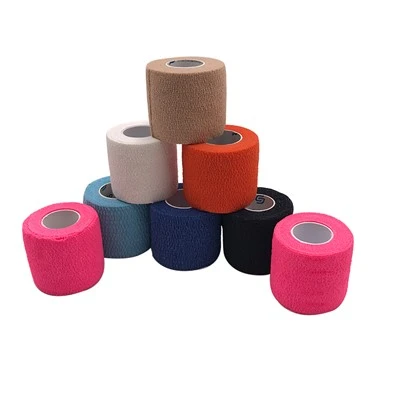
- Size, Color & Packaging: Buyers should confirm roll width, length, color options, inner box design, outer carton details, and packaging structure. Skin tones, white, blue, pink, or branded colors can be selected according to channel positioning.
- Label Language for Sensitive Skin Positioning: Packaging claims should clearly match the product direction, such as sensitive skin, hypoallergenic, breathable, gentle, or latex-free. Clear label wording helps medical distributors, sports retailers, and supermarket buyers communicate product value more accurately.
What to Look for in a Kinesiology Tape Manufacturer for Sensitive Skin Products
A suitable kinesiology tape manufacturer should understand both product performance and sensitive skin positioning. For B2B buyers, this means the supplier should support material selection, adhesive adjustment, sample testing, documentation, packaging, and stable repeat orders.
- Hypoallergenic Product Development: The manufacturer should help confirm fabric feel, adhesive type, breathability, elasticity, and removal experience according to sensitive skin product positioning.
- Sample Testing Support: Samples help buyers review comfort, adhesion, elasticity, light moisture performance, and packaging presentation before bulk production. This step is especially useful for medical, sports, and retail channels.
- Quality and Certification Support: Buyers should check whether the manufacturer can provide certificates, inspection records, product traceability, and quality control documents for distributor review or retail listing.
- Private-label Packaging Ability: Sensitive skin products often require clear packaging communication. The manufacturer should support logo, label, inner box, outer carton, and instruction design for different sales channels.
- Bulk Supply Capability: A kinesiology tape manufacturer, such as L WELL, can better support sensitive skin product lines when hypoallergenic product development, sampling, quality control, and private-label packaging are managed through a structured process.
Conclusion
Sensitive skin kinesiology tape should be evaluated through hypoallergenic positioning, cotton fabric comfort, adhesive stability, breathability, elasticity, and sample performance. For B2B buyers, clear testing, accurate packaging claims, and reliable manufacturer support can help build a more suitable product line for medical, sports, retail, and wholesale channels. Contact us to discuss your sensitive skin kinesiology tape requirements and request samples for your next bulk order.