Introduction
Many users focus on taping techniques, but the material behind kinesiology tape is equally important. Understanding the fabric system, elastic components, adhesive technology, and available material variations helps buyers evaluate product quality and select the right tape for different applications.
What Materials Are Used in Kinesiology Tape
Kinesiology tape is typically constructed from three core components that work together to deliver stretch, comfort, and reliable adhesion. Understanding each layer helps buyers evaluate overall product quality and performance.
Cotton Fabric Layer
The outer layer is usually made from breathable cotton fabric, which provides a soft feel against the skin and helps maintain comfort during daily activities or sports applications.
01
Elastic Fibers
Elastic fibers are integrated into the fabric to create the tape's stretch and recovery properties. They allow the tape to move naturally with the body while maintaining consistent support.
02
Medical-Grade Acrylic Adhesive
A medical-grade acrylic adhesive is applied to the backing layer to ensure secure attachment. This adhesive is designed to offer long-lasting adhesion, skin compatibility, and dependable performance in various conditions.
03
Custom Kinesiology Tape Material Options
Kinesiology tape materials can be further customized to meet different branding and application requirements. In addition to standard cotton-based construction, manufacturers can offer multiple material options depending on market positioning and product design needs.
04

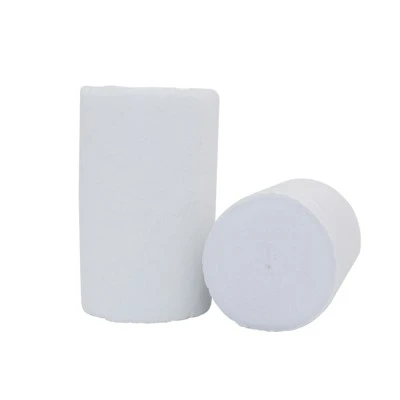
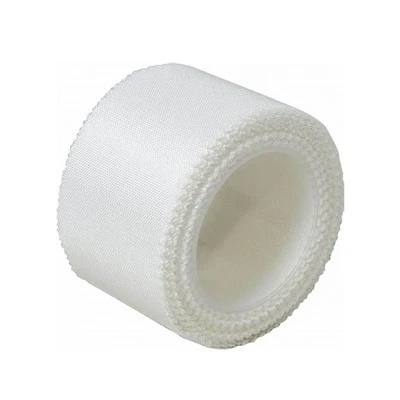
Printed Non-Woven Fabric

Regular Cotton

Reflective Material

4-Way Stretch Fabric
Why Is Cotton the Most Common Kinesio Tape Material
Cotton is the most widely used kinesio tape material because it balances comfort, flexibility, and everyday performance. Its natural properties help create a tape that feels comfortable on the skin while supporting long wear during sports and rehabilitation activities.
- Breathability: Cotton fabric allows air to circulate through the tape, helping maintain skin comfort during extended use and physical activity.
- Soft Skin Contact: The soft texture of cotton provides a gentle feel against the skin, making it suitable for frequent application.
- Moisture Management: Cotton helps manage sweat by allowing moisture to evaporate more efficiently, supporting consistent comfort wear throughout daily activities.
- Lightweight Feel: As a lightweight material, cotton reduces the sensation of bulk on the skin, allowing users to move naturally while wearing the tape.
Factors That Elastic Fibers Influence Tape Performance
Elastic fibers are a key component of kinesiology tape material because they determine how the tape moves and performs on the body. The right balance of elasticity helps the tape adapt to natural movement while maintaining comfort during extended wear.
- Stretch and Recovery: Elastic fibers allow kinesiology tape to stretch and return to its original shape. Consistent recovery helps the tape maintain its supportive properties throughout daily activities and athletic performance.
- Muscle Movement Support: The tape stretches with the skin and underlying muscles, allowing a full range of motion. This flexibility makes athletic kinesiology tape suitable for dynamic movements without restricting activity.
- Long-Wear Comfort: A well-designed elastic structure helps reduce tension during prolonged use. Combined with breathable fabrics, it creates a comfortable wearing experience for users who need support throughout the day.
What Makes the Adhesive Layer Matter
Beyond the fabric itself, the adhesive layer plays a key role in determining how kinesiology tape performs during daily wear, sports activities, and rehabilitation. A well-designed adhesive system helps balance comfort, durability, and reliable support.
- Acrylic Adhesive: Most kinesiology tape uses medical-grade acrylic adhesive because it provides stable bonding while maintaining flexibility across a range of movement conditions.
- Skin-Friendly Adhesion: Quality adhesives are designed to work comfortably with the skin, helping the tape conform naturally to body contours during extended use.
- Sweat Resistance: A moisture-resistant adhesive layer helps the tape remain effective during exercise, training sessions, and other activities that involve perspiration.
- Long-Lasting Attachment: Consistent adhesive performance allows kinesiology tape to stay securely in place for several days, reducing the need for frequent reapplication.
How Different Material Choices Affect Product Quality
Material selection influences how kinesiology tape performs in real use. From everyday comfort to long-term wearability, each component contributes to the overall user experience, making material quality an important consideration for both product developers and buyers.
|
Material Element |
Performance Benefit |
|
Cotton Fabric |
Comfort & Breathability |
|
Elastic Fiber |
Stretch & Recovery |
|
Acrylic Adhesive |
Secure Adhesion |
|
Skin-Friendly Formula |
User Comfort |
Can Kinesiology Tape Materials Be Customized
Customization plays an important role in helping brands and distributors develop kinesiology tape products that match different market needs. Beyond standard specifications, manufacturers can adjust key material and design elements to create tailored solutions for sports, medical, and retail applications.
- Fabric Composition: Manufacturers can adjust cotton or blended fabric structures to balance softness, breathability, and durability for different usage scenarios.
- Elastic Ratio: The stretch and recovery rate can be modified to support various levels of muscle support and movement control.
- Adhesive Formula: Acrylic-based adhesive systems can be optimized for skin compatibility, sweat resistance, and long-wear performance.
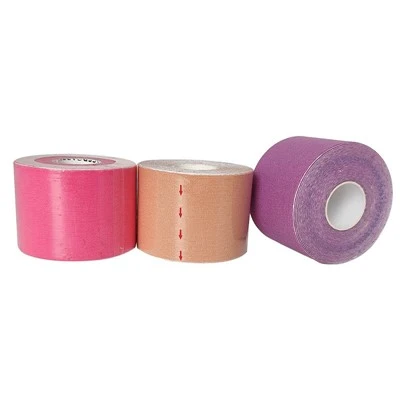
- Color: A wide range of colors can be produced to support branding strategies and product differentiation in retail markets.
- Size: Tape width and roll length can be customized to suit different body areas and application requirements.
- Logo: Custom printing allows brands to apply logos directly on the tape surface for private-label positioning.
What Should Buyers Look for When Evaluating Kinesio Tape Materials
When evaluating kinesio tape material, buyers should focus on how each component contributes to overall performance, comfort, and compliance. A structured material review helps ensure consistent quality across different applications and markets.
- Fabric Quality: High-grade cotton ensures breathability, softness, and stable skin contact during extended wear.
- Elastic Consistency: Stable stretch and recovery support natural movement and long-lasting muscle support.
- Adhesive Performance: Medical-grade acrylic adhesive ensures secure attachment with balanced skin compatibility.
- FDA/CE/ISO/REACH Compliance: Certifications confirm material safety and regulatory alignment for global markets.
- Manufacturing Standards: Controlled production systems ensure consistency in material blending and final product performance.
Taken together, these material factors define the overall performance, safety, and durability of kinesio tape in real-world applications. A reliable kinesio tape manufacturer, such as L WELL, integrates controlled material selection and standardized production systems to ensure consistent product quality.
Conclusion
Quality kinesiology tape depends on the combination of fabric systems, elastic fibers, adhesive technology, and material customization options. Understanding kinesio tape material helps buyers make more informed sourcing and product-selection decisions. If you are looking for custom kinesiology tape solutions, contact us to discuss material options and private-label manufacturing requirements.