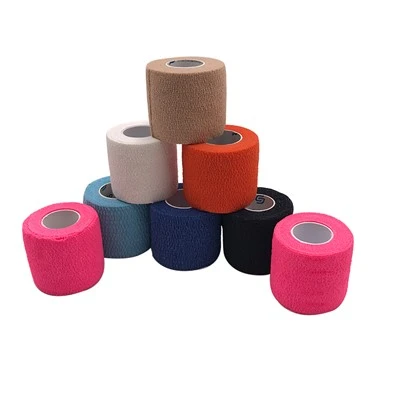
Introduction
Kinesiology tape is widely used to support muscles, reduce pain, and enhance recovery without limiting mobility. It's trusted by athletes, therapists, and everyday users alike. In this guide, we'll walk you through how to select suitable kinesiology tape sizes, materials, and packaging.
Understanding Kinesiology Tape Sizes
Kinesiology tape comes in a variety of widths to meet different treatment needs. The common kinesiology tape sizes include:

• 2.5 cm*5m
Suitable for small joints, fingers, and delicate areas. Kinesiology tape 2.5 cm allows for precise taping and is often used for facial or pediatric applications.
• 3.8 cm*5m
This size is slightly wider than 2.5 cm, which provides slightly wider coverage while maintaining a certain degree of precision, and is suitable for wrists, ankles, and small muscle groups that need moderate support.
• 5 cm*5m
It is the most commonly used size, versatile for general taping on arms, legs, shoulders, and back.
• 7.5 cm*5m
Designed for larger muscle areas such as thighs, upper back, or glutes. It provides increased surface coverage and support.
• 10 cm*5m
This size is wider, suitable for athletic taping, postural correction, or covering broad muscle areas in a single strip.
Common Kinesiology Tape Materials
Kinesiology tape is made from a variety of materials, each designed to meet different needs in performance, comfort, and durability. Here are some common kinesiology tape materials:

Cotton kinesiology tape is soft, breathable, and gentle on the skin. It's natural fiber structure effectively wicks moisture and heat away from the skin's surface, reducing discomfort caused by heat and humidity. It's suitable for daily or extended wear and is popular with people with sensitive skin, pediatric applications, or clinical settings.

Synthetic tapes, typically made from polyester or nylon, offer greater elasticity, moisture resistance, and longer wear, making them suitable for athletes, swimmers, or anyone engaging in high-intensity activities. In addition, synthetic fibers have a denser molecular structure and stronger chemical stability, so they are less likely to fade, have a clearer visual display, and are suitable for the retail market.

• Rayon
Rayon is a semi-synthetic fiber made from natural cellulose. It offers a smooth, silky texture and better moisture-wicking than traditional cotton. Rayon kinesiology tapes are lightweight and often feel softer on the skin. They combine the comfort of cotton with improved durability and water resistance, so they are often used in high-end kinesiology tape products.

• Spandex (Elastane)
Spandex, also known as elastane, is commonly blended with other fibers to enhance stretch and flexibility. While not usually used alone, it's often part of both cotton and synthetic tape constructions. The addition of spandex makes the tape as elastic as skin, and it will not restrict the movement of joints or muscles after being applied, which improves comfort during exercise.
How to Choose the Right Packaging Format
Selecting the right packaging format for kinesiology tape depends on your specific application, usage frequency, and target customer. At L WELL, we offer flexible packaging options designed to meet the needs of clinics, retailers, and athletes alike:
Individual Rolls
Small size, easy to put in sports bag or medicine box. And it can be used directly after purchase; no additional cutting is required, suitable for personal use, home kits, or retail shelves.
01
Pre-Cut Strips
Each tape is of consistent length, enabling quick application and ensuring compliance, making it suitable for clinical or sports settings.
02
Bulk Rolls
Economical and practical, suitable for large-scale purchases. And it can be cut to the required length according to the customer's situation to adapt to different treatment needs. It is more suitable for places such as physical therapy centers, sports teams, or hospitals.
03
Custom Retail Packaging
If you need to highlight your brand image or have personalized needs, you can choose customized packaging. From brand labels, barcodes to professional appearance designs, we can customize them to meet the needs of your target market.
04
Conclusion
The right kinesiology tape comes down to choosing the right size, material, and packaging for your needs. These factors directly impact performance, comfort, and usability. L WELL is committed to supplying high-quality kinesiology tape rolls. Contact us today to explore our OEM/ODM capabilities or request a sample.