Introduction
Both Kinesiology tape and athletic tape help in sports performance, injury prevention, and recovery, but they are designed for different needs. This guide explains their differences, benefits, and practical usage tips to help you choose the right tape for every situation.
What Is Kinesiology Tape and Athletic Tape?
Kinesiology Tape
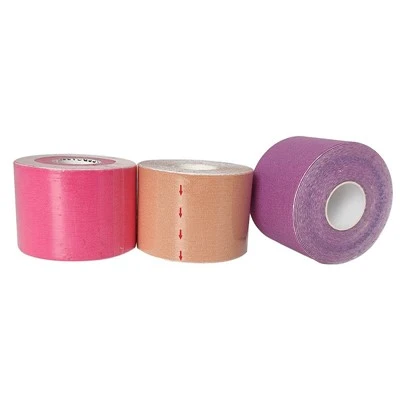
Kinesiology tape is a stretchy, breathable tape designed to mimic the elasticity of human skin. It is typically made from cotton or synthetic fibers with medical-grade acrylic adhesive.
Key features:
• Provides gentle support without restricting movement
• Promotes better blood and lymphatic circulation
• Helps reduce pain and inflammation during activity
• Can be worn for 3–5 days, even during showers or light exercise

Athletic Tape
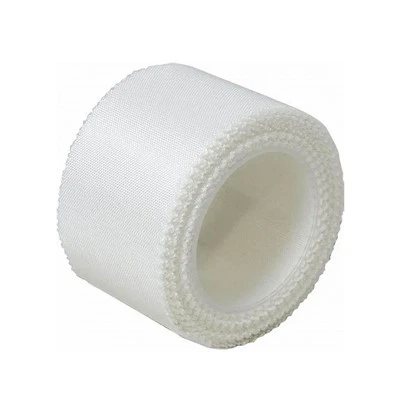
Typically, athletic tape is a rigid, non-elastic tape used for stabilization and support. The tape is often made from cotton or rayon fabric with strong zinc oxide or latex-based adhesive.
Key features:
• Restricts unwanted joint movements
• Prevents sprains, twists, or re-injury during sports
• Applied right before training or competition, and removed after due to low breathability

Kinesiology Tape vs Athletic Tape: Key Differences
Which One Should You Choose?
✅ Use Kinesiology tape if you:
Kinesiology tape is more suitable for situations where you need support without sacrificing mobility. Consider using it when:
(1) Relieving muscle fatigue or soreness after workouts
(2) Supporting muscles and joints during light to moderate activity
(3) Improving circulation to reduce swelling and speed up recovery
(4) Needing all-day comfort, such as during work, training, or travel
A runner with mild shin splints can use kinesiology tape to reduce strain while continuing light training.

✅ Use Athletic tape if you:
Athletic tape is the better option when stability and restriction are your top priorities. It's best for:
(1) Preventing joint injuries during competitions or high-intensity training
(2) Providing firm support for a sprained ankle or unstable knee
(3) Limiting excessive movement during the recovery phase of an injury
(4) Short-term use during games, tournaments, or heavy lifts

Conclusion
Kinesiology tape supports muscles, enhances recovery, and provides long-lasting comfort. Athletic tape can deliver stronger and more rigid support needed for injury prevention and stabilization during intense activity. Choosing the right tape depends on your activity level, injury status, and support needs.
FAQs
Q: Is kinesiology tape better than athletic tape?
A: Not necessarily. Kinesiology tape is better for mobility and recovery, while athletic tape excels in joint stabilization and injury prevention.
Q: Can I shower or swim with kinesiology tape?
A: Yes. High-quality kinesiology tapes are water-resistant and can last 3–5 days even with daily showers.
Q: How long can I wear athletic tape?
A: Athletic tape is meant for short-term use-typically during training or competition-and should be removed afterward to avoid skin irritation.
Looking for Premium Sports Tape for Your Team, Clinic, or Store?
At L WEll, we offer professional-grade tapes to help your athletes perform better and recover faster. Contact us today for wholesale orders, OEM/ODM tape sulutions, and expert product recommendations.