Introduction
Veterinary self-adhesive bandages, often used as animal bandage products in pet hospitals and breeding farms, are valued for their efficient application and adaptable support in daily animal care. Their growing use reflects practical needs in wound protection, limb wrapping, and routine veterinary management.

What Are Veterinary Self-Adhesive Bandages
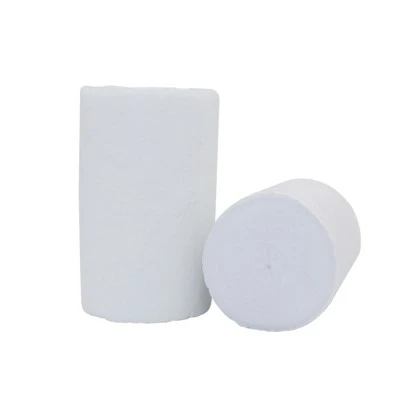
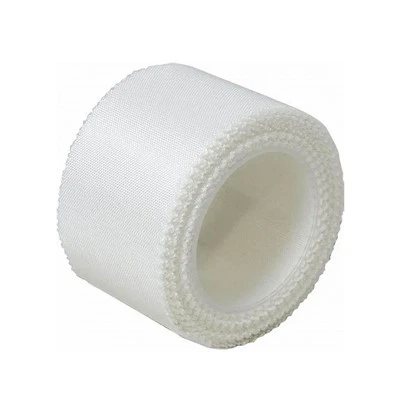
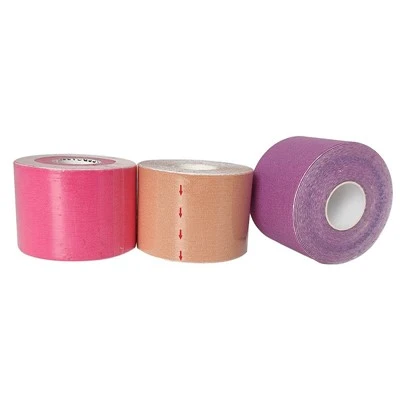
Veterinary self-adhesive bandages are animal bandage products designed to wrap, secure, and support different body areas during routine veterinary care. Often referred to as vet wraps, veterinary dressings, or cohesive elastic bandages, they are valued for combining self-adherent hold, flexible conformity, and practical handling across pet hospitals and breeding farms. Compared with more general bandage categories, this type is more closely associated with animal-care workflows where easy wrapping, stable fixation, and material adaptability matter in day-to-day use.
Why Pet Hospitals Prefer Self-Adhesive Animal Bandage in Daily Care
Pet hospitals often prefer self-adhesive animal bandages in daily care due to their faster and more practical wrapping process, supporting routine veterinary tasks. From paw and limb wrapping to wound-area protection and post-procedure dressing fixation, this type of bandage offers flexible conformity, secure hold, and easier handling in busy clinical settings. Its close fit around different body areas also makes it more adaptable for small-animal care, where efficient application and consistent support are both valued in day-to-day treatment workflows.
Why Breeding Farms Are Also Using Vet Wrap More Often
Breeding farms are also using vet wrap more often because it fits well with routine animal-care management, where wrapping efficiency, handling convenience, and application flexibility all matter. In farm settings involving larger animals and repeated daily care tasks, a self-adhesive animal bandage is valued for supporting quick wound-area protection, limb wrapping, and practical fixation without adding unnecessary complexity to regular workflows. Its adaptability across different animal types also makes it easier for farms to standardize basic care materials while maintaining a more organized and efficient supply setup.
Key Features That Make Self-Adhesive Bandages Practical for Animal Care
Self-adhesive bandages are practical for animal care because the most important features are closely tied to how animals are treated, handled, and monitored in daily settings. For pet hospitals and breeding farms, the value usually becomes clearer through a few application-focused characteristics:
- Self-Adherent Hold: The bandage can stay in place by adhering to itself, which supports more secure wrapping and helps simplify routine fixation during daily veterinary care.
- Flexible Conformity: An elastic and flexible structure makes the bandage easier to wrap around paws, limbs, joints, and other irregular body areas where a close fit matters.
- Easy Handling: Practical application matters in animal care, so a bandage that is easier to wrap, adjust, and manage can better support efficient day-to-day treatment routines.
- Material Adaptability: Options such as non-woven and latex-free cohesive bandages give buyers more flexibility when matching products to different animal-care preferences and supply requirements.
- Broader Veterinary Use Fit: Because veterinary bandages are used across clinics and farm settings, features that balance hold, flexibility, and practical handling make them easier to apply in a wider range of routine care tasks.
Common Veterinary Applications in Pet Hospitals and Breeding Farms
Veterinary self-adhesive bandages are used across pet hospitals and breeding farms because they fit a wide range of routine animal-care tasks. In practice, their value is most visible in everyday applications that require wrapping efficiency, adaptable support, and practical handling across different animal types:
- Post-Procedure Dressing Fixation: In pet hospitals, self-adhesive bandages are commonly used to help secure dressings after routine procedures, supporting a cleaner and more manageable wrapping process.
- Limb and Paw Wrapping: For small animals and larger farm animals alike, these bandages are well-suited to paws, legs, and other active areas where flexible conformity and stable hold are both needed.
- Wound-Area Protection: In both clinical and farm settings, animal bandage products are often used to provide practical external coverage for wound-care management during routine observation and recovery.
- Joint-Area Support: Around joints and movement-prone areas, self-adhesive bandages can offer more adaptable wrapping support, which makes them useful in daily veterinary handling and short-term care routines.
- General Farm Care Preparation: In breeding farms, vet wrap is also valued as a practical supply item for repeated basic care tasks, helping teams maintain a more standardized and efficient wound-care setup.
What to Look for in Veterinary Self-Adhesive Bandages Manufacturing for B2B Supply
When evaluating veterinary self-adhesive bandage manufacturing for B2B supply, the focus should go beyond sample appearance and extend to the factors that shape long-term product consistency and supply reliability. For buyers serving pet hospitals, breeding farms, distributors, or private-label programs, the more meaningful evaluation points usually include material control, self-adhesion performance, specification flexibility, customization execution, compliance support, and production coordination by choosing experienced manufacturers such as L WELL:
|
Manufacturing Aspect |
Why It Matters for Veterinary Use |
What B2B Buyers Should Confirm |
|
Material Selection and Elasticity Control |
Veterinary bandages are used across different animal-care routines, so the elasticity, fabric composition, and wrapping feel need to stay consistent from batch to batch. |
Whether the manufacturer can control fabric type, elasticity ratio, and material composition according to different product requirements. |
|
Self-Adhesion and Coating Stability |
A self-adhesive bandage is only practical when adhesion remains stable enough for secure wrapping and daily handling. |
Whether the supplier can support consistent adhesive formulation, including customization of glue formula when needed. |
|
Product Format and Specification Flexibility |
Different markets and buyer groups often need different widths, sizes, colors, and product structures for clinics, farms, or branded distribution. |
Whether sizes, colors, and related product specifications can be customized in a controlled and repeatable way. |
|
OEM and Private-Label Execution |
Many B2B buyers need veterinary bandages that align with their own brand presentation rather than standard generic supplies only. |
Whether the manufacturer can support logo printing, product customization, and packaging customization for OEM programs. |
|
ODM and Development Support |
Some projects require more than standard sourcing and benefit from development input on structure, material direction, or product ideas. |
Whether the manufacturer can provide ODM assistance, including structural design support or development, based on the buyer's ideas. |
|
Certification and Compliance Readiness |
For medical and veterinary-oriented supplies, compliance support helps buyers move more smoothly across target markets and procurement systems. |
Whether the company and product line are backed by certifications such as ISO13485, ISO9001, FDA, CE, and REACH. |
|
R&D and Custom Formula Capability |
Veterinary applications can require more tailored material and adhesive solutions, especially for differentiated product lines. |
Whether the manufacturer has in-house R&D support and the ability to develop chemical formulas and fabric materials for customized projects. |
|
Supply Coordination and Fulfillment Support |
Stable long-term supply matters more in B2B cooperation than one-time production alone. |
Whether the manufacturer has mature production support, warehousing, overseas logistics coordination, and the ability to support delivery efficiency in major target markets. |
Conclusion
Veterinary self-adhesive bandages are being used more widely in pet hospitals and breeding farms because they match real animal-care needs with efficient wrapping, adaptable support, and practical handling. For B2B buyers, their long-term value depends on application fit as well as manufacturing consistency, customization flexibility, and reliable supply coordination. Explore the relevant veterinary bandage and OEM options to identify a more suitable self-adhesive animal bandage solution for your market.