Introduction
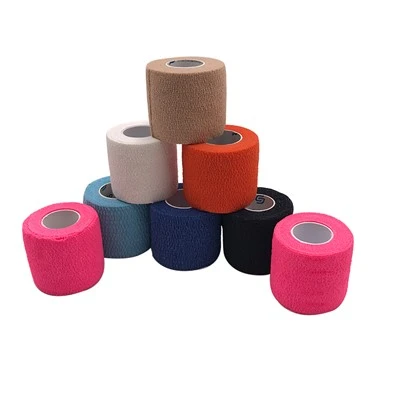
Many people may experience their cohesive bandages unraveling or curling while in use. This can compromise the effectiveness of wound support and even increase the risk of injury during exercise or rehabilitation. This article will explain the common reasons why bandages unravel and provide practical wrapping tips to help your bandages stay secure and last longer.
Common Reasons Cohesive Bandages Unravel
Cohesive bandages can often unravel or curl during use, usually due to the following factors:
Improper wrapping technique
If the bandage is wrapped too loosely or without proper overlapping, it cannot generate enough friction to stay in place, making it prone to slipping. This is especially true around joints or curved areas.
01
Skin surface issues
Oils, sweat, or hair on the skin can reduce the bandage's adhesion, causing it to stick less effectively. For example, wrapping a bandage directly after exercise or on sweaty skin is more likely to result in loosening compared to clean, dry skin.
02
Bandage quality or material issues
Low-quality or poorly adhesive bandages may unravel or curl quickly, even if wrapped correctly. Some standard bandages use stiffer elastic fibers and lack strong self-adhesive properties, which can fail over time.
03
Frequent movement
Areas like hands, feet, or joints that move frequently during exercise or rehabilitation experience more friction and movement, causing the edges of the bandage to gradually loosen.
04
How to Prevent Your Cohesive Bandage from Unraveling
To ensure your cohesive bandage stays secure and lasts longer, you can follow these practical tips:
• Maintain moderate tension
When wrapping the bandage, stretch it slightly but avoid wrapping too tightly. The right tension helps keep the bandage in place without restricting blood circulation.
• Overlap each layer
Cover approximately 50% of the previous layer with each turn. This increases friction and makes the bandage more stable, reducing slipping and curling.

• Prepare the skin surface
Make sure the skin is clean, dry, and free of oils or sweat before wrapping. Clean skin allows the bandage to adhere better and maintain its stickiness longer.
• Secure the bandage end
Use the bandage's self-adhesive properties to lock the end in place. If necessary, a small piece of medical tape can be used for additional security.
• Choose high-quality bandages
Premium bandages offer good elasticity and stable adhesion, making them less likely to loosen even during exercise or rehabilitation. L WELL provides professional-grade cohesive bandages suitable for medical, sports, and rehab applications. For more product details, please visit our official website.

Extra Tips to Extend the Wear Time of Your Cohesive Bandage
In addition to proper wrapping and choosing high-quality bandages, there are some extra tips to help your cohesive bandage stay secure and last longer:
Check and Adjust Regularly
After prolonged activity or exercise, check whether the bandage has loosened. If necessary, lightly rewrap it to maintain a secure fit.
Choose the Right Size for Joints or High-Movement Areas
For areas such as wrists, ankles, or knees that experience frequent movement, use elastic bandages specifically designed for these joints or wider models to improve stability.
Avoid Reusing the Bandage
Reusing a cohesive bandage can reduce its adhesive strength. It's recommended to use a fresh bandage each time to ensure optimal fixation.
Conclusion
When using a cohesive bandage, it can easily unravel if wrapped incorrectly or affected by skin conditions and frequent physical activity. Choosing a high-quality cohesive bandage and mastering proper wrapping techniques can effectively extend wear time while keeping it secure and comfortable.
If you are looking for high-quality cohesive bandages with long-lasting adhesion, feel free to contact L WELL. Our team is always ready to provide professional product consultation, customized solutions, and competitive pricing support.