


As a supplier of liquid bandages, I understand the importance of ensuring an even application of our product. A well - applied liquid bandage not only provides better protection for wounds but also enhances the overall user experience. In this blog, I'll share some effective methods to make sure a liquid bandage is evenly applied.
Understanding the Product
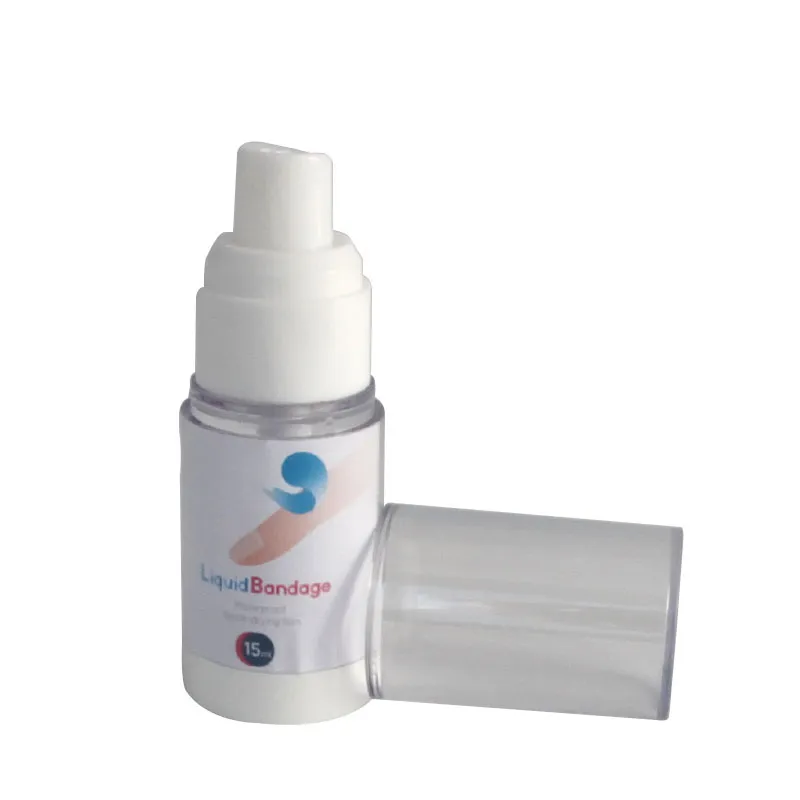
Before applying a liquid bandage, it's crucial to understand its properties. Liquid bandages are typically made of a polymer solution that forms a flexible, protective film over the wound when it dries. Some liquid bandages, such as our Liquid Bandage for Cuts, are formulated to adhere well to the skin and provide a long - lasting barrier against bacteria and moisture. Others, like our Waterproof Liquid Bandge, are designed to withstand water exposure, making them ideal for activities where the wound may get wet.
Preparing the Wound
The first step in ensuring an even application of a liquid bandage is proper wound preparation. Clean the wound thoroughly with mild soap and water to remove any dirt, debris, or bacteria. Pat the area dry gently with a clean, soft cloth or sterile gauze. Avoid using alcohol or hydrogen peroxide, as these can irritate the wound and delay the healing process.
If the wound is bleeding, apply gentle pressure with a clean cloth until the bleeding stops. For larger or deeper wounds, it's advisable to seek medical attention before applying a liquid bandage.
Choosing the Right Application Method
There are several ways to apply a liquid bandage, and the choice depends on the size and location of the wound.

Brush Applicators
Many liquid bandages come with a built - in brush applicator. This is a convenient option for small to medium - sized wounds. To use a brush applicator, follow these steps:
- Remove the cap of the liquid bandage bottle.
- Dip the brush into the liquid, making sure to get an adequate amount on the bristles.
- Starting from the edge of the wound, carefully brush the liquid bandage over the entire wound area. Use smooth, even strokes to ensure coverage.
- Apply multiple thin layers if necessary, allowing each layer to dry completely before applying the next one. This helps to build a stronger and more even protective film.
Spray Applicators
For larger wounds or hard - to - reach areas, a spray applicator can be a great choice. Here's how to use it:
- Shake the liquid bandage bottle well before use to ensure proper mixing of the ingredients.
- Hold the spray bottle about 2 - 3 inches away from the wound.
- Spray the liquid bandage evenly over the wound area, covering it completely.
- Move the spray bottle in a slow, steady motion to avoid over - spraying or leaving gaps.
- Similar to the brush applicator, multiple thin layers may be required for optimal protection.
Dropper Applicators
Some liquid bandages come with a dropper applicator. This is useful for precise application, especially for small wounds or areas around the eyes and mouth.

- Squeeze the dropper bulb to draw the liquid bandage into the dropper.
- Gently release the dropper bulb over the wound, allowing the liquid to fall onto the affected area.
- Use a clean finger or a cotton swab to spread the liquid bandage evenly over the wound.
Tips for Even Application
- Keep the Wound Still: During the application process, it's important to keep the wound as still as possible. Movement can cause the liquid bandage to run or pool in certain areas, resulting in an uneven application. If necessary, ask someone to help you hold the affected body part steady.
- Work in Good Lighting: Adequate lighting is essential for ensuring an even application. Make sure you can clearly see the wound and the area you are applying the liquid bandage to. This helps you avoid missing any spots or applying too much in one area.
- Avoid Over - Application: Applying too much liquid bandage can lead to a thick, uneven layer that may crack or peel off. It's better to apply multiple thin layers than one thick layer. Each layer should be just thick enough to cover the wound without dripping or running.
- Let It Dry Completely: After applying each layer of the liquid bandage, allow it to dry completely before touching or moving the area. This usually takes a few minutes, depending on the product. Drying time can be affected by factors such as humidity and the thickness of the layer.
Post - Application Care
Once the liquid bandage is evenly applied and dry, there are a few things you can do to ensure its effectiveness and longevity.
- Avoid Rubbing or Scratching: Try to avoid rubbing or scratching the area covered by the liquid bandage, as this can damage the protective film. If the area itches, you can gently pat it instead.
- Keep It Clean: While most liquid bandages are water - resistant, it's still important to keep the wound area clean. If the wound gets dirty, gently wash it with mild soap and water and re - apply the liquid bandage if necessary.
- Monitor the Wound: Keep an eye on the wound for any signs of infection, such as increased pain, redness, swelling, or pus. If you notice any of these symptoms, remove the liquid bandage and seek medical attention.
Conclusion
Ensuring an even application of a liquid bandage is essential for its effectiveness in protecting wounds and promoting healing. By understanding the product, properly preparing the wound, choosing the right application method, and following the tips for even application, you can achieve a smooth and consistent protective layer.
As a liquid bandage supplier, we are committed to providing high - quality products and helpful information to our customers. If you are interested in purchasing our liquid bandages or have any questions about their application, please feel free to contact us for further discussion and procurement negotiations. We look forward to serving you and meeting your liquid bandage needs.
References
- American Academy of Dermatology. Wound care guidelines.
- Medical Journal of Wound Management. The role of liquid bandages in modern wound care.


