


Is Cohesive Bandage Tape Safe for Long - Term Use?
As a supplier of Cohesive Bandage Tape, I've received numerous inquiries about the safety of long - term use of this product. In this blog, I'll delve into the scientific aspects of cohesive bandage tape and evaluate its safety for extended application.
Cohesive bandage tape, also known as Self - Adhesive Cohesive Bandage, is a popular choice in various fields, including sports medicine, veterinary care, and first - aid situations. It has unique properties that set it apart from traditional adhesive tapes. Unlike tapes that use a sticky adhesive to adhere to the skin, cohesive bandage tape sticks to itself but not to the skin or hair. This characteristic makes it a convenient and user - friendly option.
One of the primary concerns regarding long - term use is skin irritation. Traditional adhesive tapes often cause skin problems such as redness, itching, and even blistering when used for an extended period. The reason behind this is the adhesive substance that can trigger allergic reactions in some individuals. Cohesive bandage tape, on the other hand, reduces this risk significantly. Since it doesn't adhere to the skin, there is less direct contact between the potentially irritating adhesive and the skin surface. However, this doesn't mean that skin irritation can be completely ruled out.
Prolonged use of any bandage can lead to a build - up of moisture under the tape. The body's natural sweating process can cause a humid environment between the bandage and the skin. This moisture can create a breeding ground for bacteria and fungi, which may result in skin infections. When using cohesive bandage tape for a long time, it's crucial to monitor the skin regularly. If you notice any signs of moisture accumulation, such as a damp feeling or visible sweat under the tape, it's advisable to remove the bandage, dry the skin thoroughly, and then re - apply the tape.
Another aspect to consider is the circulation of blood in the area where the cohesive bandage tape is applied. If the tape is wrapped too tightly, it can restrict blood flow. This is especially important when using Self Stick Tape for long - term support, such as in the case of joint injuries. Insufficient blood circulation can lead to tissue damage, numbness, and even more severe complications over time. To ensure proper blood flow, it's essential to apply the tape with the right tension. A general rule of thumb is to be able to slide a finger easily under the wrapped tape. If it's too tight, re - wrap the bandage to loosen it slightly.
In terms of the material of the cohesive bandage tape, most high - quality products are made from breathable materials. These materials allow air to pass through, which helps in reducing the build - up of heat and moisture. For example, some tapes are made from a blend of cotton and synthetic fibers. Cotton is a natural and breathable material, while synthetic fibers can add strength and elasticity to the tape. However, not all cohesive bandage tapes are created equal. When choosing a tape for long - term use, it's important to select a product from a reputable supplier that uses high - quality, breathable materials.
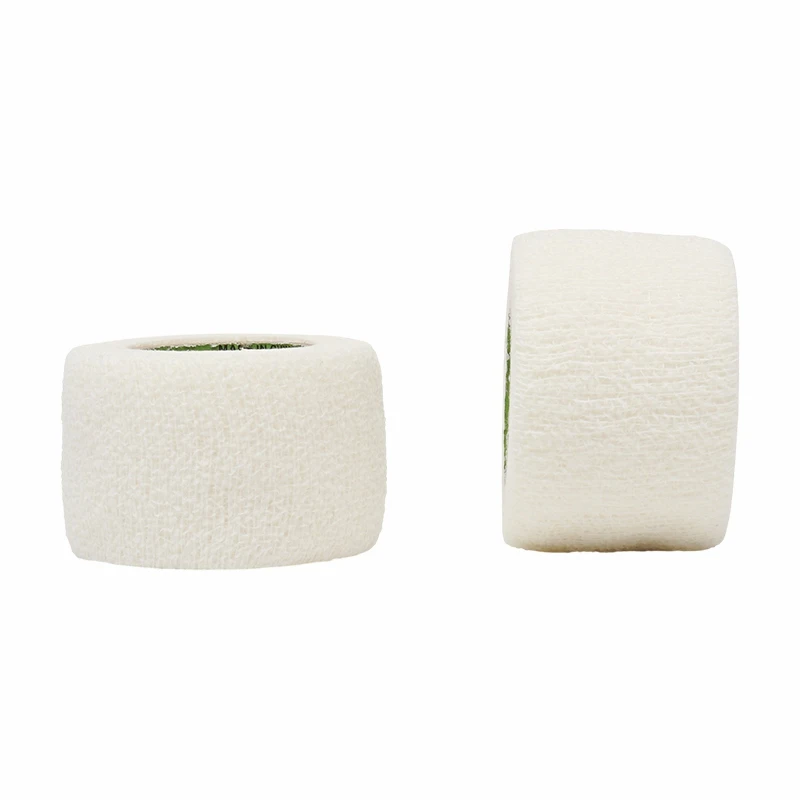
The application site also plays a role in the safety of long - term use. Different parts of the body have different sensitivities and requirements. For instance, the skin on the hands and feet is thicker and less sensitive compared to the skin on the face or neck. When using Cohesive Bandage Tape on sensitive areas, extra caution should be taken. It may be necessary to use a thinner or more flexible tape to avoid excessive pressure on the skin.

In veterinary care, cohesive bandage tape is often used to support injured limbs in animals. The same safety concerns apply. Animals may be more prone to scratching or biting at the bandage, which can cause additional irritation or damage to the skin. Owners need to monitor their pets closely and ensure that the bandage is in good condition. If the animal shows signs of discomfort or if the bandage becomes loose or dirty, it should be replaced promptly.
In sports medicine, athletes may use cohesive bandage tape for long - term joint support during training and competitions. The repetitive movement and stress on the taped area can cause the tape to loosen or shift. This can lead to uneven pressure distribution on the skin and joints. Athletes should be trained on how to properly apply and re - apply the tape to maintain its effectiveness and safety.
To sum up, cohesive bandage tape can be safe for long - term use if certain precautions are taken. These include monitoring the skin for signs of irritation or moisture, ensuring proper blood circulation, choosing a high - quality and breathable tape, and being aware of the specific requirements of the application site.

If you're interested in purchasing high - quality cohesive bandage tape for long - term use, feel free to contact us for more information and to discuss your specific needs. Our team of experts is ready to assist you in finding the most suitable product for your situation.
References
- "Bandaging Techniques and Materials" - Journal of Medical Nursing
- "Skin Reactions to Adhesive Tapes" - Dermatology Research
- "Veterinary Bandaging: Best Practices" - Journal of Veterinary Medicine


