Introduction
Kinesiology tape has become increasingly popular among athletes, fitness enthusiasts, and even everyday people looking for support during daily activities. But with its rise, questions naturally follow: Does kinesiology tape work? Many myths and misconceptions have spread, leaving users unsure about its true effectiveness. In this article, we'll debunk some common myths and explain the real kinesiology tape benefits and uses, so you can decide whether to incorporate it into your routine.
What is Kinesiology Tape?
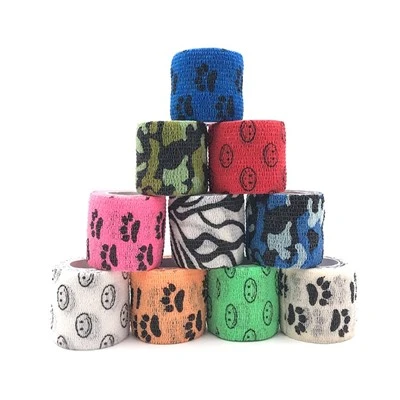
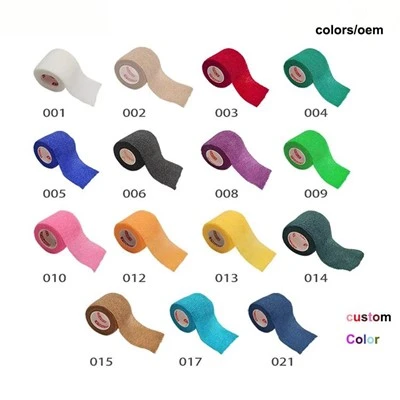
Kinesiology tape is a flexible, elastic tape made from cotton or synthetic fibers with an acrylic adhesive. It comes in various colors and widths, usually 5 cm wide, and can stretch up to 140% of its original length. Athletes and sports enthusiasts often apply it to their joints or tendons to reduce muscle tension, stabilize joints, and aid rehabilitation.

Common Myths About Kinesiology Tapes
Myth 1: Kinesiology Tape is Only for Athletes
A common misconception is that kinesiology tape is designed exclusively for professional athletes. In reality, its applications are far broader. Anyone experiencing muscle soreness, joint stress, or even long hours of sitting can benefit from proper kinesiology tape use. Office workers can apply tape to the lower back to reduce fatigue, and casual runners can use it on their knees or calves to provide extra support during workouts.
Myth 2: Kinesiology Tape Provides Instant Pain Relief
Some believe that simply applying kinesiology tape will immediately eliminate pain. While it can assist in reducing discomfort, kinesiology tape primarily works by supporting muscles, improving blood flow, and aiding natural recovery. Instant pain relief is rarely guaranteed, especially if underlying issues persist.

Myth 3: All Kinesiology Tape Works the Same Way
Not all kinesiology tapes are created equal. Differences in material, thickness, elasticity, and adhesive type can influence results. A hypoallergenic kinesiology tape is suitable for long-term wear, while a rayon reflective tape with higher elasticity may be better for athletes with dynamic movements outdoors.
Myth 4: You Can Use Kinesiology Tape Indefinitely
Another myth is that kinesiology tape can be worn indefinitely. Most tapes are designed for 3–5 days of use. Wearing them longer than recommended can cause skin irritation, redness, or reduce their effectiveness. It's important to monitor your skin for any discomfort and to remove the tape if irritation occurs.
Myth 5: It Works Without Proper Technique
In reality, the tape's effectiveness depends heavily on correct application. Stretching the tape too much, placing it incorrectly, or ignoring the direction of muscle fibers can reduce its impact. Simple mistakes, such as uneven tension or improper anchoring, can make the tape ineffective. So we'd better learn some application techniques for common areas like shoulders, knees, and lower back, etc.

How to Choose and Use Kinesiology Tape Correctly
Choosing the right kinesiology tape can ensure the users get comfort, effectiveness, and overall results. Here are the factors to consider when buying kinesiology tapes:
• Material: Kinesiology tape is usually made from either cotton or synthetic fabrics. Cotton tape is soft, breathable, and ideal for sensitive skin or longer wear. Synthetic tapes, on the other hand, offer higher elasticity and stronger support, making them suitable for athletes or active individuals who need dynamic movement and muscle stability.
• Adhesive: Most tapes use low-stimulus acrylic adhesives. They can minimize skin irritation while maintaining a secure hold. This is important for those with sensitive skin or when the tape needs to stay on for multiple days.
• Color: While color choices are largely aesthetic, they can influence psychological comfort and confidence during physical activity. Choosing a color you feel good wearing can make the tape more enjoyable to use, or keep consistent with the team's colors and brand sponsor logos.
For use, apply the tape to clean, dry skin, avoid overstretching, and monitor your skin for any reactions. Most kinesiology tapes are water-resistant, allowing you to wear them during workouts or showers without losing adhesion.

Conclusion
When Kinesiology tape is used correctly, it can function in muscle support, recovery, and everyday comfort. Understanding the myths and learning how to choose and apply the right tape ensures you gain the full taping benefits of this tool.
Ready to Get Your Premium Kinesiology Tape?
At L WELL, we provide premium kinesiology tape products and customized athletic taping solutions for athletes, everyday users, and medical institutions. Contact us today to explore our sports tapes designed with safe, effective muscle, joint support and tailored tape solutions to your needs.