Introduction
If you've scrolled through TikTok or beauty forums lately, you've probably seen people pulling their skin back with strips of tape to create a lifted look. This is called face taping, and it has become a popular beauty hack for reducing wrinkles and sharpening the jawline, at least temporarily. Some users even recommend using kinesiology tape, the stretchy adhesive tape usually seen on athletes. But does it really work and safe? Let's break it down in the article.
What is Face Taping?
Face taping involves applying adhesive strips to certain parts of the face, like along the jawline, cheeks, or forehead, to tighten the skin and reduce the appearance of wrinkles. There are two main types of tape people use:
• Regular Cosmetic Tapes (designed for beauty use, often less durable)
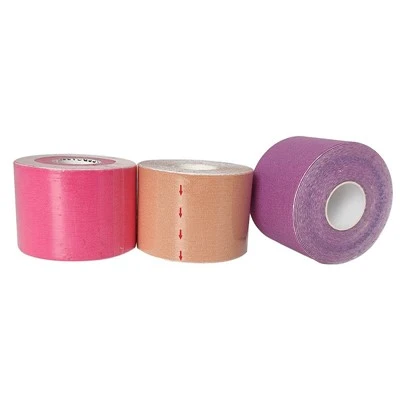
• Kinesiology Tape (originally designed for sports medicine to support muscles and improve circulation)
At first glance, it makes sense why people would experiment with kinesiology tape on the face. Cause it's flexible, breathable, and skin-friendly compared to household tape. However, its effectiveness and safety considerations may not be so straightforward.

Does Face Taping with Kinesiology Tape Really Work?
Here's the honest answer: it can create a visible tightening effect in the short term by:
• Lifts skin slightly, making the jawline and cheekbones look sharper
• Can reduce puffiness by improving circulation and lymphatic drainage
• Creates a smooth surface for makeup application or photos
But it won't permanently erase wrinkles or stop aging. The effect usually disappears once the tape is removed. What's worse, if applied incorrectly, it may actually pull too hard and stress the skin.

How to Do Face Taping Safely with Kinesiology Tapes?
If you're curious to try kinesiology tape on your face, here's how to do it more safely:
(1) Prep Your Skin: Wash your face and make sure it's completely dry. Avoid using oily products before applying tape, as this reduces adhesion.
(2) Cut and Prepare the Tape: Use small strips of kinesiology tape. Round the edges with scissors so they don't peel off easily.
(3) Apply in Lifting Directions
◦ For jawline: place from under the chin toward behind the ear
◦ For cheeks: place from the cheekbone up toward the temples
◦ For forehead: gently pull upward toward the hairline
(4) Don't Over Do it: Keep the tape on for a short period (1–3 hours). Avoid sleeping with it, as prolonged stretching may irritate the skin.
(5) Remove Gently: Slowly peel the tape off. Using a bit of warm water or cleansing oil can help reduce discomfort.

Are There Better Alternatives?
If your goal is long-term wrinkle prevention or lifting, face taping may not be the best option. Other approaches include:

Face Yoga and Massage

Good Skincare Routine

Professional Treatments

Healthy Habits
FAQs
Q: Is face taping safe for sensitive skin?
A: It depends. Kinesiology tape is usually hypoallergenic, but sensitive skin may still react. Always patch-test first.
Q: Can I sleep with face tape on?
A: Not recommended. Prolonged use can irritate skin and cause unnecessary stretching.
Q: What kind of tape should I use?
A: If you want to try, choose high-quality kinesiology tape that is breathable and skin-friendly, like what L WELL offers, not regular duct tape or packaging tape.
Conclusion
Face taping with kinesiology tape can give you a temporary lifted look and reduce puffiness for special occasions. When you use it, be careful and don't rely on it as the only skincare routine.
L WELL: Your Trusted Manufacturer of Kinesiology Tape and Bandages
At L WELL, we provide standard and custom kinesiology tape solutions for athletes, beauty lovers, or anyone curious about safe and effective taping. These products are designed with breathable, stretchable fabric and medical-grade adhesive. Contact us today for product details and bulk order options.