Introduction
When an animal is injured and requires careful care, bandages are often necessary. Cohesive bandages are flexible, self-adhesive, and very convenient. Can they be used in veterinary care? The answer is yes. Today, we will explore their applications and precautions in animal care.
What is a Cohesive Bandage?
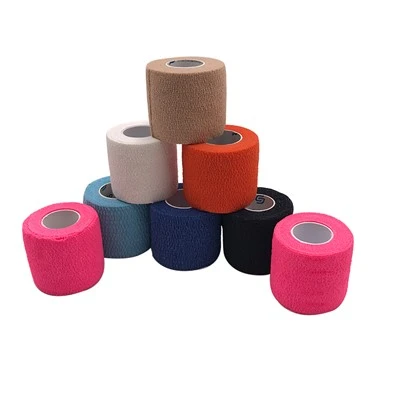
A cohesive bandage is an elastic bandage material that can adhere to itself. It sticks only to itself and does not adhere to fur or skin, so no additional tape or clips are needed for securing. This type of bandage is widely used for wound dressing and joint support in both animals and humans, making it a convenient and professional bandaging option.

Applications of Cohesive Bandage in Animals
Cohesive bandages have a wide range of applications in animal care and are suitable for various injury and protection scenarios. Common uses include:
• Limb and joint support: After sports injuries or surgery, cohesive bandages can provide mild support and stabilization for joints, helping to prevent further injury or movement.
• Wound dressing: Used to cover small wounds or surgical incisions, keeping them clean and preventing the animal from licking or biting. For wounds with heavy exudate or severe injuries, additional dressings should be used in combination.
• Postoperative care: Applied under veterinary guidance to protect and support wounds, promoting proper recovery.

Benefits of Cohesive Bandages for Animal Care
Cohesive bandages offer multiple advantages in animal care:
Easy to Use
Cohesive bandages stick to themselves, requiring no additional fastening tools, allowing for quick and easily adjustable application.
High Safety
The bandage does not adhere to fur or skin, reducing the risk of hair pulling or skin irritation, making it suitable for sensitive animals.
Good Stability
Once wrapped, the bandage stays securely in place and is unlikely to come loose, even when the animal is active.
Precautions for Cohesive Bandage Use on Animals
When using cohesive bandages to wrap animals, the following points should be noted:
• The tightness of the bandage should be moderate. Overly tight wrapping can affect blood circulation or cause limb swelling, while too loose wrapping may slip and lose its stabilizing effect.
• During use, the wound and bandaged area should be checked regularly. Any signs of redness, discharge, or abnormal behavior should be addressed promptly.
• Bandaging of an injury depends on the type of wound, the animal's size, and the location of the injury. The wrapping method and number of layers should be adjusted according to the actual situation.
• For large or active animals, as well as postoperative or severe wounds, it is recommended to perform bandaging under veterinary guidance to ensure safety and effectiveness.
Conclusion
Cohesive bandages can be safely used in animal care. When applied correctly and with proper precautions, they serve as a professional bandaging option commonly used by pet owners and veterinarians.
L WELL: Professional Manufacturer of Cohesive Bandages for Animals
L WELL offers medical-grade cohesive bandages that are easy to tear by hand and highly elastic, meeting the needs of pet care and veterinary applications. Contact us now to learn more about our products and usage guidance, and get the suitable bandages for your animals.