Introduction
When watching athletes train or compete, you may notice brightly coloured tape on their thighs. Have you ever wondered what these tapes do and why they are applied to the thighs? This article will take you on an in-depth look.
What is Coloured Tape?
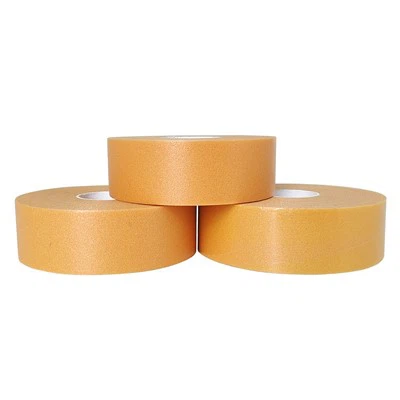
Coloured tape is an elastic tape specially designed for sports and rehabilitation, commonly known as kinesiology tape. It is made from breathable cotton fabric and highly elastic fibers such as nylon, providing good stretchability and adhesion that allows it to closely conform to the skin. Manufacturers often produce the tape in a variety of colours to meet the personalized preferences of athletes and rehabilitation users.

Why Apply Coloured Tape to the Thigh? Key Benefits
The thighs are home to the body's primary power muscles, including the quadriceps, hamstrings, and gluteal muscles. During training or competition, these muscles bear significant loads and are prone to fatigue or strain. Athletes apply coloured tape to the thighs for several key benefits:
• Muscle Support: The tape adheres closely to the muscle surface, providing additional support during movement, helping muscles remain stable, and reducing the risk of injury.
• Pain Relief and Accelerated Recovery: Applying the tape gently stretches the skin, promoting blood circulation and lymphatic flow, which can help reduce post-exercise muscle soreness and speed up recovery.
• Performance Optimization: When athletes perform explosive movements or engage in prolonged exercise, properly applied tape can assist in posture control and muscle activation patterns, enhancing overall performance.
• Psychological Boost and Team Cohesion: Athletes can use preferred colours or personalized designs to enhance confidence and focus; in team sports, using a uniform tape colour can strengthen team identity and cohesion.
How to Properly Apply Coloured Tape to the Thigh
Before applying coloured tape, understanding the correct method ensures both effectiveness and safety.
1. Choose the Appropriate Length and Width
Select a tape of an appropriate length and width according to the size of the thigh muscles (a common width is 5 cm).
2. Clean the Skin
Cleanse the skin on your thighs, ensuring it is dry and free of oil or lotion residue to ensure the tape adheres firmly.
3. Prepare the Strips and Apply Correctly
Typically, 1–3 strips of tape are used. The tape should be applied along the direction of the muscles: first, place one strip from top to bottom on the slightly outer side of the thigh; next, apply another strip slightly more toward the inner thigh; finally, place a shorter strip horizontally between the two.; finally, place a shorter strip horizontally between the two. Apply moderate tension, generally 10%–25%, to secure the muscles without restricting circulation or comfort.

4. Secure and Check
After application, press the edges of the tape gently to ensure full adhesion. Check that the tape is comfortable throughout the range of motion, with no pain or numbness when moving.
5. Usage Precautions
For those with sensitive skin, test a small area first before applying more extensively. Replace the tape as needed after each training or exercise session, and keep both the skin and tape clean.
Conclusion
Applying coloured tape to the thighs is not only a visual marker but also a professional method for muscle support. When applied correctly, the tape follows the direction of the muscles, providing support to the thigh muscle groups, helping reduce the risk of sports injuries, and maintaining muscle stability during training and competition.
L WELL: Professional Kinesiology Tape Manufacturer
L WELL offers kinesiology tape in a variety of colours and can also customize logos or designs. If you want to provide athletes with professional muscle support and protection, or enhance training and competition performance, contact us today to get customized products and expert taping solutions tailored to your needs, making every training session and competition safer and more effective.