Introduction
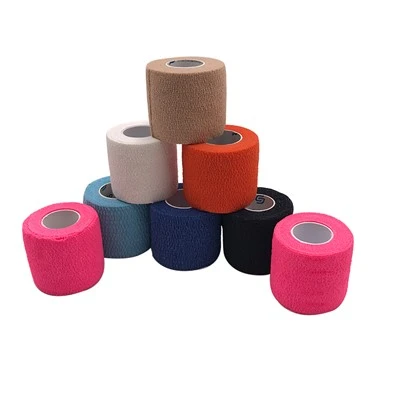
A study found that 67% of wholesalers consider the material type of cohesive bandages when purchasing in bulk (cited from McKinsey Medical Consumables Report 2023). Pure cotton, composite cotton, nonwoven fabric, and PU foam are common cohesive bandage materials on the market, each with distinct breathability, elasticity, and biocompatibility. So, how should we choose? As a professional medical bandage manufacturer, L WELL will explore the characteristics of these materials with you and help you select the best solution based on your needs.
Comparison of Cohesive Bandage Material Types
Based on the ASTM D882 and ASTM E96 test standards, we can summarize the characteristics of these materials as follows (★ indicates better breathability):
|
Material Type |
Core Characteristics |
Elongation Rate |
Breathability |
|
Nonwoven |
Anti-fiber shedding / Low allergy |
120-150% |
★★☆ |
|
Cotton |
Strong hygroscopicity / Suitable for sensitive skin |
80-100% |
★★★ |
|
Composite Cotton |
Cotton + polyester / Balanced performance |
150-180% |
★★☆ |
|
Biodegradable |
Corn starch-based / Degrades in 6 months |
90-110% |
★★★ |
|
Foam |
High cushioning / Reduces pressure sore risk |
70-90% |
★☆ |
How to Choose the Right One?
When selecting a cohesive bandage, consider the following factors:

1. Is Your Skin Prone to Allergies?
If you have sensitive skin or are allergic to latex, first rule out latex-containing bandages. Biodegradable and non woven cohesive bandages are both viable options, as they have stable chemical properties and are made from natural materials, making them less likely to irritate the skin.
2. Wound Exudate Status
When a wound has exudate, such as a newly stitched incision, use a cotton cohesive bandage. Cotton can absorb excess fluid and keep the wound dry.
For daily fixation of ice packs, braces, or pet bandaging, composite cotton bandages are more suitable due to their elasticity.
For bedridden patients, PU foam bandages provide pressure cushioning for areas like the coccyx and ankles to prevent pressure sores.
3. Environmental Friendliness
If your organization has eco-friendly procurement requirements or you personally prioritize sustainability, choose biodegradable bandages. Made primarily from corn starch, they naturally decompose after use, unlike traditional bandages that become medical waste.

4. Budget Constraints
Among various materials, nonwoven bandages offer high cost-effectiveness and are suitable for daily bulk use. They are commonly found in household first-aid kits and school infirmaries. Foam and biodegradable bandages are relatively more expensive.
Conclusion
Each cohesive bandage material has unique advantages, and the most suitable choice depends on factors such as material properties, wound type, and patient skin condition. For example, nonwoven bandages are most commonly used for daily care, while cotton bandages are better for open wounds. As a leading supplier of medical bandage solutions, L WELL provides products certified to medical standards. Contact us to explore our cohesive bandage solutions and find the best fit for you after a trial.