Introduction
If you've ever dealt with complex wounds that require management of exudate, you may have encountered foam bandage wraps. These dressings are increasingly used in busy hospital wards and daily sports care. But what exactly is a foam bandage wrap, and why is it worth considering? As a manufacturer of high-quality foam bandages, L WELL will explore the benefits of using foam bandage wraps in this article. So let's dive in.
What Is a Foam Bandage Wrap?

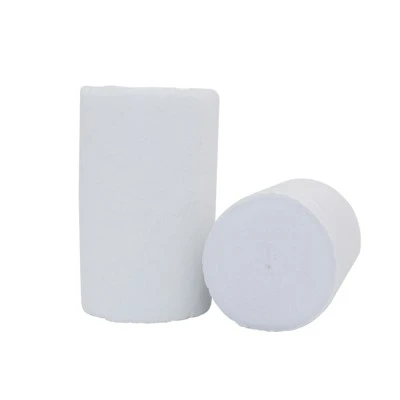
A foam bandage wrap is a wound dressing made from soft, highly absorbent polyurethane (PU) or silicone foam materials. It is primarily designed to create an optimal environment for wound healing and provide a protective layer. Unlike traditional bandages, foam bandage wraps feature a multi-layer structure, including:
(1) A skin-friendly layer that comes into direct contact with the wound
(2) A powerful absorbent core layer (open-cell foam layer)
(3) A waterproof and bacteria-resistant outer film
What Wounds Can It Be Used For?
- Venous ulcers
- Deep burns
- Sprained joints
- Traumatic wounds/abrasions with exudate
- Minor fractures (as a temporary measure)
- Pressure ulcers (bedsores) – particularly stages II–IV
- Postoperative incisions at risk of infection
What Are the Advantages of Using Foam Bandage Wraps?
1. Promotes Moist Wound Healing
Foam bandage wraps feature an open-cell structure with interconnected pores or spaces in the foam layer. They can absorb large amounts of exudate, creating a moderately moist, warm, and closed environment for the wound. Studies (Winter GD, 1962) have shown that wounds heal faster in a moist environment, with less pain and scabbing.

2. Manages Exudate
In addition to absorbing exudate, the outer film of foam bandage wraps has a high moisture vapor transmission rate (MVTR). This allows excess moisture to evaporate as vapor, reducing the likelihood of skin irritation and discomfort.
3. Cushions and Protects
Due to their multi-layer structure, foam bandage wraps are soft and elastic. They can absorb external impacts (collisions, friction) on bony and joint areas, reducing pain. This makes the patients who need to wear bandages for extended periods feel better.

4. Maintains Temperature
By preserving a closed, moist environment, foam bandage wraps maintain the local wound temperature close to body temperature (approximately 37°C). At this temperature, cell mitosis speeds up, oxygen partial pressure increases, and collagen synthesis is enhanced, meaning wounds heal faster.
5. Easy to Use
The wound-contact layer of foam bandage wraps is typically designed to be non-adhesive. It rarely sticks to the wound, reducing pain during dressing changes. Additionally, its high elasticity allows it to conform to body contours, including joints and heels, without deformation.
Conclusion
Foam bandage wraps are more than just ordinary wound coverings. By actively creating and maintaining the right moisture and temperature levels, they accelerate healing for various types of wounds and alleviate patient discomfort.
L WELL – Your Expert in Medical Tapes and Bandages
L WELL has always been committed to providing easy-to-use, efficient, and comfortable care products. Whether for clinical care, sports health, or home care, we meet your needs. If you're interested in learning more, please contact us at any time for professional product selection support and care knowledge.