Introduction
Cohesive bandages are popular in sports medicine, veterinary care, and first aid. They have strong self-adhesion and don't stick to hair or skin. But what exactly makes them different from traditional adhesive bandages? How do they work? This article explores the mechanics behind self-adherent cohesive wrap bandages and their appropriate areas of application.
What Are Cohesive Bandages?
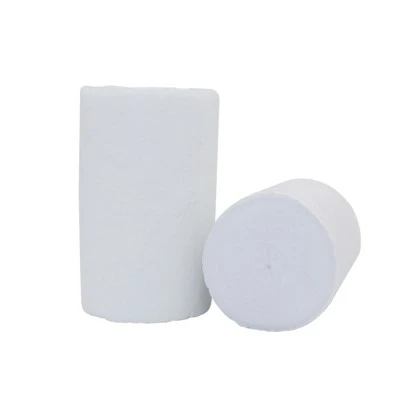
Cohesive bandages, also known as self-adhesive wraps, are bandages that only adhere to their own surface and not to skin, hair, or clothing. These bandages are usually made of a blend of non-woven fibers such as cotton fibers, elastic fibers, or latex-free synthetic materials. They are breathable and stretchable, making them suitable for applying pressure or fixation without irritating the skin.
How Do Cohesive Bandages Work?
Cohesive bandages use a unique surface texture rather than glue to stick to themselves. The fabric is usually made of interwoven fibers (such as cotton, polyester) or a special coating with a micro-texture. This structure creates a slight adhesion effect when the bandages touch each other, allowing them to stick to themselves. Since they do not use traditional adhesives, they do not leave residue and are safer for patients with sensitive or allergic skin. In addition, the bandages are elastic and can fit tightly to curved areas such as joints and limbs, providing even pressure to assist in fixation or reduce swelling.
Cohesive vs Adhesive Bandages: What's the Difference?
|
Feature |
Cohesive Bandage |
Adhesive Bandage |
|
Sticks to skin |
No |
Yes |
|
Sticks to itself |
Yes |
No |
|
Reusable/adjustable |
Yes |
No |
|
Residue on removal |
None |
Possible |
|
Best use case |
Compression/support |
Covering wounds |
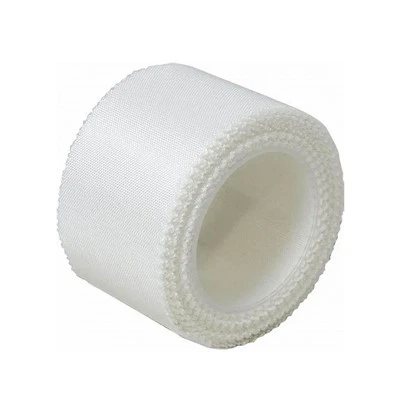
Cohesive bandages are suitable for wrapping joints, muscles, or limbs where you need compression without skin damage. On the other hand, adhesive bandages (like medical tapes or plasters) are better for directly sealing wounds. If you're dealing with a sprain, swelling, or sports strain, Cohesive bandages are often a better choice.
Best Uses for Cohesive Bandages
Cohesive bandages are widely used across medical, sports, and veterinary settings due to their self-adhering, non-slip design. Here are some of the common and effective applications:

Athletic Support and Injury Prevention
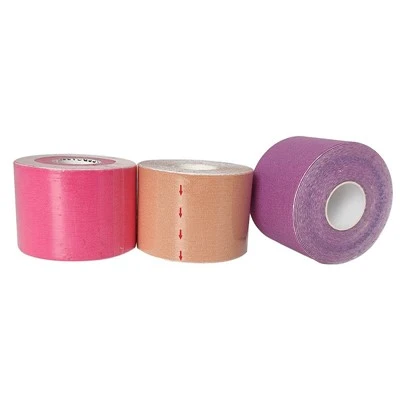
Cohesive elastic bandages provide mild compression and support without restricting movement, making them suitable for wrapping ankles, wrists, and knees during sports or physical activity.

Post-Surgical Dressing Fixation
In medical settings, cohesive bandages are used to secure gauze or wound dressings in place. Because they don't stick to skin or hair, they're easy to remove and gentle on sensitive or healing skin, reducing the risk of irritation.

Veterinary and Pet Care
They hold animals securely without pulling hair or causing discomfort, making them suitable for treating wounds on pets or livestock.

First Aid Kits and Emergency Use
Cohesive bandages are lightweight and easy to use, and can quickly bandage minor injuries, sprains, or cuts without the need for scissors or adhesives. They are a must-have item in first aid kits at home, during travel, or during outdoor activities.
Conclusion
Through the above, we have a better understanding of the working principle of cohesive bandages. They offer a secure, adjustable, and skin-friendly way to manage injuries, protect joints, and aid recovery.
L WELL: High Quality Cohesive Bandage Wholesale Manufacturer
As a leading cohesive bandage manufacturer and supplier, L WELL has more than 20 years of experience, providing a comprehensive range of cohesive bandage products. If you have any needs, please feel free to contact us.