Introduction
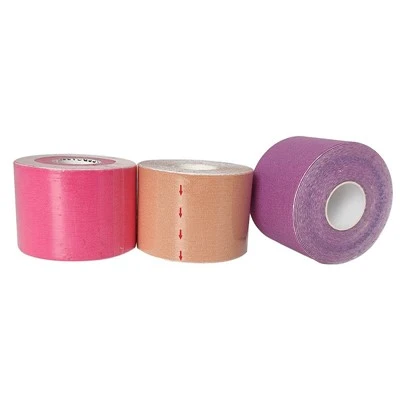
Kinesiology tape is very popular in the field of sports and rehabilitation. As the market grows, the types of materials used for tape manufacturing are also increasing. So, how do we choose? As a high-quality kinesiology tape supplier, L WELL will introduce you to several common kinesiology tape materials in detail to help you find the best solution.
Why Material Matters in Sports Kinesiology Tapes
The material of the kinesiology tape will directly affect its effect on the skin, such as elasticity, breathability, waterproofness and anti-allergy. For athletes and people in recovery, if the tape is made of inappropriate materials, the following problems may occur:
- Skin allergies or discomfort;
- The tape falls off during activities;
- The support and repair effects that should be provided are lost.
Common Kinesiology Tape Materials

• Cotton
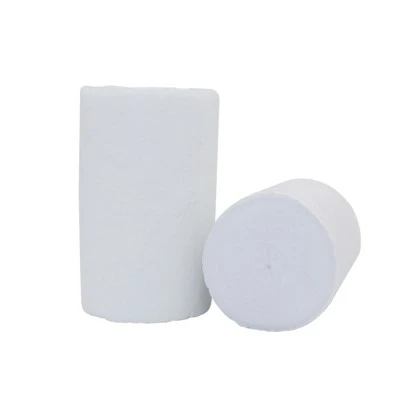
Cotton Kinesiology Tape is breathable, soft, and comfortable for everyday wear. However, while it has some moisture wicking properties, it may lose its stickiness after heavy sweating or showering. Cotton tape typically stretches about 140%, making it suitable for general muscle support.
• Synthetic (Polyester or Elastane Blend)
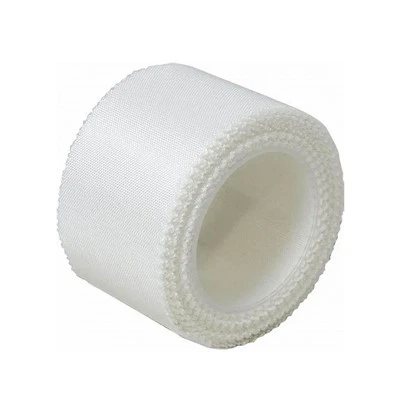
Synthetic Kinesiology Tape is made of polyester or elastane, which has a smooth texture and good conformability. It has greater stretch and better water resistance than cotton tape, which is suitable for those who need to train hard or participate in water sports.
• Nylon Blend Tapes
Nylon blend tape combines synthetic nylon with other fibers (usually polyester or spandex) for superior stretch and recovery. The high tensile strength of nylon combined with the elasticity of spandex allows it to support muscles without restricting movement. These materials also conform to the skin and are less prone to abrasion, making them comfortable to wear for days.
• Latex-Free Options
Latex-free kinesiology tape is usually made of a blend of cotton, synthetic fibers, or acrylic adhesives and is completely free of natural rubber latex. Advanced synthetic fiber materials and high-quality medical-grade acrylic adhesives allow it to still have high elasticity, high breathability, and strong adhesion, which is very suitable for users with sensitive skin or latex allergies.
How to Choose the Right Material
Choosing the right material for kinesiology tape depends on your specific use needs:
Activity Type
Cotton tape is sufficient for daily support or light physical activities, such as correcting posture or relieving minor joint discomfort. Synthetic or nylon blend kinesiology tape is more stretchy and waterproof, and is better suited for high-performance activities such as long-distance running or swimming.
01
Skin Sensitivity
If you or your clients have sensitive skin, eczema, or latex allergies, choose latex-free kinesiology tape to reduce the risk of redness, itching, or blisters after long-term use.
02
Duration of Use
Cotton tape is sufficient for short-term use; nylon blends are better for use over several days or in humid environments. They stick longer, dry faster, and remain elastic after repeated exercise or showering.
03
Budget Considerations
Cotton tape is breathable, comfortable, and affordable, making it suitable for clinical training, bulk first aid kits, or school teams. However, synthetic fiber tapes may offer better long-term value due to their longer life and stronger adhesion, which can be replaced less frequently.
04
Conclusion
In conclusion, from breathable cotton to waterproof synthetic fibers, each Kinesiology Tape material has its own advantages. You can choose the right Kinesiology Tape material according to your usage needs. As a trusted hypoallergenic kinesiology tape supplier, L WELL provides Kinesiology Tape in various materials. If you have any needs, please feel free to contact us.