Introduction
Ankle injuries, such as sprains, strains, or mild swelling, are common among athletes, outdoor enthusiasts, and even in daily life. A fast and effective way to manage these injuries is by using a cohesive bandage. This article will show you how to properly wrap your ankle with an adhesive bandage.

Why Choose a Cohesive Bandage for Ankle Support?
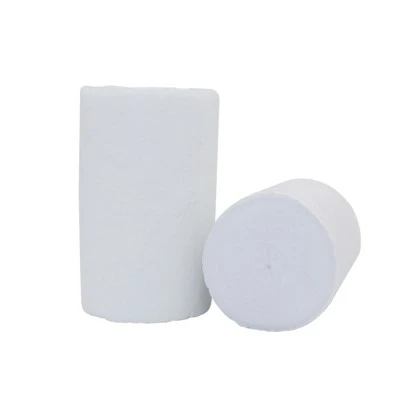
A cohesive bandage is a highly effective option for providing ankle support after minor sprains, strains, or soft tissue injuries. Unlike traditional adhesive tapes, a cohesive bandage sticks only to itself, not to the skin or hair, making it more comfortable to wear and easier to remove. Additionally, it offers gentle, adjustable compression that helps reduce swelling while allowing natural movement, promoting proper ankle healing. Thanks to its stretchability and self-adhesive design, a cohesive bandage ankle wrap closely conforms to the joint's shape and remains securely in place, even during daily activities or light exercise.
Whether you're recovering from a sports-related injury or using it for preventive support, cohesive bandages offer a reliable, skin-friendly solution for managing ankle injuries with cohesive bandage wraps.
Step-by-Step: How to Wrap an Ankle with a Cohesive Bandage
To effectively support your ankle with a cohesive bandage, follow these simple steps:
1. Prepare the Area
Ensure the ankle is clean and dry. Position the foot at a 90-degree angle to the leg for optimal wrapping.
2. Start Wrapping at the Arch
Begin wrapping the cohesive bandage around the midfoot (just above the arch), working your way toward the ankle.
3. Wrap Around the Ankle
Overlap each layer by about half the width of the bandage. Continue wrapping around the heel and ankle in a figure-eight pattern to provide stable support.
4. Maintain Moderate Tension
Pull the bandage tight enough to offer support but not so tight that it cuts off circulation. The wrap should feel snug, not restrictive.
5. Secure the End
Press the final part of the bandage onto the wrapped area. Since cohesive bandages are self-adhesive, no clips or tape are needed.
6. Check Comfort and Circulation
After wrapping, make sure there's no tingling, numbness, or discoloration in the foot. If any of these symptoms occur, rewrap with less tension.
Tips and Precautions
• Avoid wrapping too tightly. Excessive pressure can restrict blood flow and cause discomfort. The bandage should feel snug but not constrictive.
• Monitor the ankle regularly. Check for signs of poor circulation, such as numbness, tingling, or discoloration. If any occur, remove and rewrap the bandage with less tension.
• Remove the bandage before sleeping. Unless advised by a healthcare professional, avoid wearing the wrap overnight.
• Reapply as needed. Replace the bandage daily or if it becomes loose, dirty, or loses elasticity.
• Seek medical attention for serious injuries. If you experience severe pain, instability, or significant swelling, consult a medical professional for proper diagnosis and treatment.
Conclusion
Wrapping the ankle with a cohesive bandage can provide necessary support, help reduce swelling, and speed healing. Using the proper technique ensures the bandage stays secure without restricting circulation, allowing for comfortable movement during recovery.
L WELL: Professional Cohesive Bandage Manufacturer
L WELL offers high-quality cohesive bandages suitable for ankle support and more. With a focus on safety, performance, and comfort, we provide reliable solutions for healthcare facilities, athletes, and everyday caregivers. Contact us today to explore our full range of cohesive bandages.