Introduction
Athletic tape and KT tape are both popular tools in sports medicine and injury prevention. Many athletes use them to protect joints and muscles during physical activity. But are they the same? This article will reveal it to you.
What Is Athletic Tape?
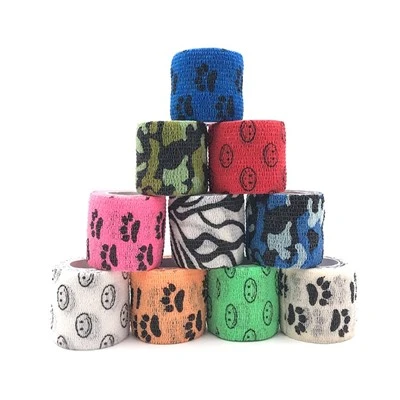
Athletic tape is a type of adhesive tape specifically designed to support and stabilize joints and muscles during physical activity, which is typically made from cotton or synthetic fibers. It helps prevent injuries such as sprains and strains, reduces swelling, and provides extra support to areas prone to stress or overuse. Athletic tape is commonly used by athletes, trainers, and physical therapists to protect vulnerable body parts like ankles, wrists, and fingers. In addition, it comes in various types, including rigid, elastic, and cohesive tapes.

Key Differences Between Athletic Tape and KT Tape
|
Feature |
Athletic Tape |
KT Tape (Kinesiology Tape) |
|
Elasticity |
Little to no stretch |
Highly elastic, stretches with body movement |
|
Purpose |
Immobilizes joints and restricts movement for injury prevention |
Supports muscles, improves circulation, reduces swelling |
|
Wear Time |
Short-term use, typically during activity |
Can be worn for several days, even during showers |
|
Application Style |
Wrapped around joints or limbs for firm support |
Applied along muscle lines in specific patterns |
|
Best For |
Acute injuries, joint stabilization, contact sports |
Muscle recovery, posture correction, long-term support |
How to Use Athletic Tape
Using athletic tape the right way helps ensure effective support and protection. Here's a step-by-step guide to help you apply it correctly:
• Pre-Taping Skin Care
Make sure the skin is clean, dry, and free of lotions or oils to help the tape adhere properly. Shaving the area can reduce discomfort when removing the tape.
• Choose the Right Tape Width
Standard athletic wrap tape comes in various widths(e.g., 2.5cm x 13.7m or 5cm x 13.7m). Narrower rolls are ideal for fingers and toes, while wider rolls work best for ankles, wrists, or knees. Please select according to your needs.
• Anchor the Tape
Start with an anchor strip around the limb above and below the area you want to protect. This provides a secure base for the rest of the wrap, helping prevent it from coming loose.
• Apply Appropriate Tension
Wrap the tape securely around the area, making sure it provides good support without being too tight. Avoid restricting blood flow or causing discomfort while ensuring the tape stays in place.
• Secure and Test Movement
After taping, gently move the joint to ensure stability while maintaining some mobility. Adjust the tape if necessary to achieve the right balance between support and comfort.
Pro Tip: If you're unsure about taping techniques, consult a physiotherapist, trainer, or medical professional to avoid improper application.
Conclusion
In summary, athletic tape and KT tape are not the same. Athletic tape provides firm, non-elastic support mainly for joint stabilization and injury prevention, while KT tape offers flexible muscle support and aids recovery. Choosing the right tape depends on your specific needs.
L WELL' Professional Athletic Tape Solutions
L WELL specializes in producing premium athletic wrap tape that combines durability and comfort to keep you performing at your best. Whether you're an athlete or a coach, we're here to support your journey. For more information or to find the right tape for your needs, contact us today and experience professional-grade support.