Introduction
Veterinary bandages are essential consumables for veterinary clinics, animal hospitals, pet care businesses, and livestock operations, making reliable pricing important for recurring B2B purchases. Although many self-adherent wraps look similar, their prices can vary considerably depending on materials, adhesive formulations, functional features, specifications, and order quantities. Understanding these cost drivers helps buyers compare veterinary bandage pricing more accurately, control procurement costs, and select products that meet their application and quality requirements.
Base Materials & Fabric Weight

|
The base fabric is a major cost driver in veterinary bandages because material composition, fabric weight, elasticity, and manufacturing requirements affect both material consumption and finished-product performance. |
Nonwoven Fabric & Spandex
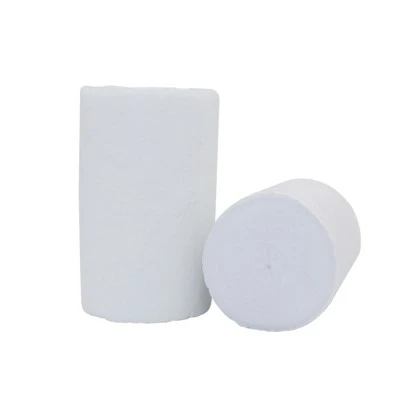
Nonwoven fabric blended with spandex offers a cost-effective option, but higher fabric weight and greater elastic fiber content can increase material consumption and production costs while improving specific performance characteristics.
Cotton & Composite Fabrics
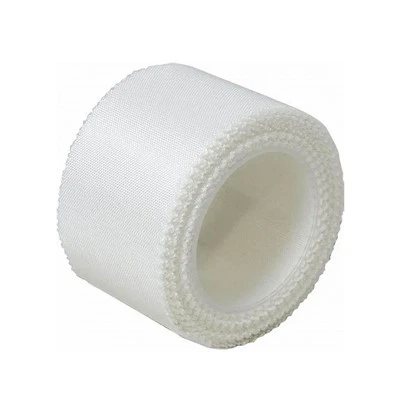
Cotton-based and composite fabrics may offer different levels of softness, tensile strength, and handling comfort than standard nonwoven wraps, making their actual construction and intended use important factors in price comparisons.
Biodegradable Materials
Biodegradable fabric options may involve different raw material sourcing, development, and processing costs, so buyers should compare the specified material composition and verified product performance before paying a premium for sustainability claims.
Cohesive Foam
Foam-based cohesive bandages typically command higher prices when their cushioning, absorbency, or specialized construction requires additional materials and processing.
Adhesive Formulation & Compliance Requirements
Adhesive formulation influences how reliably a veterinary bandage adheres to itself, how easily it can be handled, and whether it meets the buyer`s safety and market requirements.
Latex vs. Latex-Free Formulas
Natural latex formulations may offer competitive pricing, while latex-free alternatives can cost more depending on their synthetic adhesive systems and testing requirements, making them worth evaluating for buyers seeking to reduce latex exposure risks.
Adhesive Quality & Environmental Requirements
Water-based adhesives and specialized hot-melt formulations can involve different raw material, application, and quality-control costs, so buyers should compare adhesion consistency, odor, and relevant safety documentation rather than relying on adhesive type alone.
Testing & Compliance Costs
Product testing, documented quality controls, and applicable market requirements may add to manufacturing costs, so buyers should verify the validity, scope, and product relevance of certifications such as FDA, CE, REACH, ISO 9001, and ISO 13485 rather than treating every certification as mandatory for every veterinary bandage.
Functional Features & Premium Technology
Specialized features can increase veterinary bandage pricing by adding materials, manufacturing steps, and performance testing designed to address particular animal care needs.
Bitter Vet Wrap
Bitter-tasting coatings can increase production costs through additional ingredients and application controls, while helping discourage pets from licking or chewing bandages without guaranteeing that every animal will stop.
Water Resistance & Breathability
Bandages engineered to balance moisture resistance, airflow, and stable self-adhesion may require more precise material selection and coating processes than basic wraps.
Easy-Tear Performance
Consistent hand-tearing depends on fabric construction, fiber orientation, and edge processing, so buyers should test whether the wrap tears cleanly without compromising the strength needed for its intended application.


Bandage Sizes & Animal-Specific Requirements
Roll width, stretched length, fabric weight, and animal-specific requirements all influence veterinary bandage pricing, so buyers should compare products against a consistent specification baseline before evaluating quotations.
Narrow Rolls for Cats & Small Animals
Standard widths of 2.5 cm and 5 cm are available for applications requiring narrower coverage, while buyers should compare material weight, roll length, and packaging costs rather than assuming a smaller roll always delivers better value.
Mid-Width Rolls for Routine Veterinary Care
Widths of 7.5 cm and 10 cm provide additional coverage for routine veterinary applications, but their cost-effectiveness depends on the required application, fabric construction, adhesive performance, and order quantity.
Wider Rolls for Equine & Livestock Care
Widths of 15 cm and above may consume more material per roll, especially when heavier fabrics or specialized performance requirements are specified, although the final price still depends on length, construction, and order volume.
When comparing rolls advertised with a 4.5 m stretched length, buyers should confirm that suppliers use the same measurement method and specify both the roll width and unstretched dimensions where relevant.
Applications by Animal




OEM Customization, MOQ & Wholesale Pricing
Customization and purchasing volume influence the final quotation because they determine setup expenses, packaging requirements, production efficiency, and how fixed costs are distributed across an order.
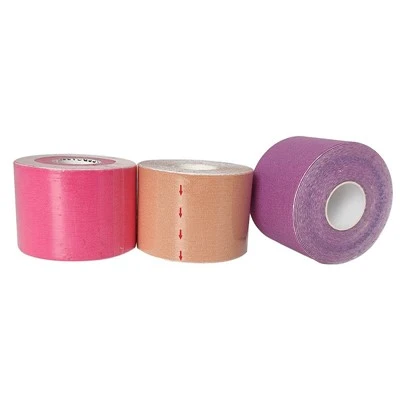
- Custom Colors, Prints & Private Labels: Custom colors, printed patterns, branded cores, and packaging designs can increase unit costs through printing setup, artwork preparation, sampling, and minimum production requirements, so buyers should distinguish standard configurations from fully customized orders.
- MOQ & Order Volume: Larger orders can spread setup and packaging expenses across more rolls, but buyers should confirm whether minimum order quantities apply separately to each size, color, print design, or packaging configuration.
- Factory-Direct & Long-Term Supply: Direct sourcing may reduce intermediary costs, while repeat orders can improve production planning; buyers should compare the complete quotation, MOQ, customization charges, and delivery terms rather than assuming factory-direct purchasing always guarantees the lowest total cost.
Custom Veterinary Bandages for Your Business


How to Compare Veterinary Bandage Quotes
A meaningful quotation comparison requires equivalent product specifications, verified performance, and a clear understanding of the total procurement cost.
- Compare Equivalent Specifications: Match fabric composition, weight, roll width, stretched length, adhesive formulation, functional features, and packaging before comparing unit prices.
- Verify Sample Performance: Request representative samples to evaluate stretch recovery, self-adhesion, hand-tearing, and bitter-coating performance where applicable, and confirm that the sample matches the specifications and quality requirements agreed for bulk production.
- Calculate Landed Cost: Compare the quoted unit price alongside customization fees, packaging, freight, applicable import charges, and potential inventory losses to estimate the actual cost of supplying your target market.
For B2B buyers evaluating suppliers such as L WELL, the priority should be to verify material consistency, adhesive performance, customization options, and documented quality controls against the agreed specifications. A capable manufacturing partner should also provide clearly defined quotation terms and representative samples so buyers can validate product performance before committing to bulk orders.


Conclusion
Veterinary bandage pricing reflects a combination of material selection, adhesive formulation, functional performance, roll specifications, customization, and order volume rather than a single production cost. Buyers can make better purchasing decisions by comparing equivalent products, verifying relevant quality requirements, testing samples, and calculating total landed cost instead of selecting the lowest unit price alone. Contact our team to request samples and a wholesale quotation based on your target specifications, order quantity, packaging requirements, and delivery destination.
Get Your Veterinary Bandage Pricing