Introduction
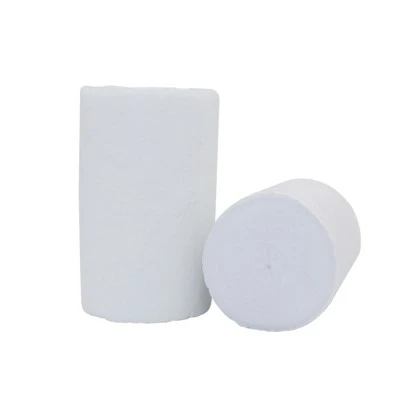
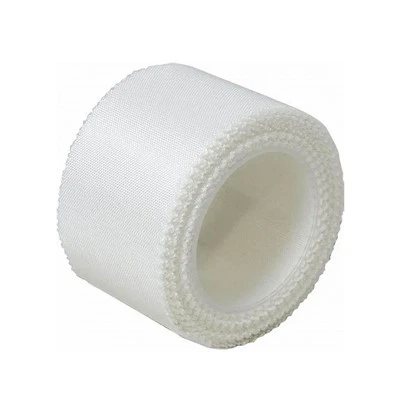
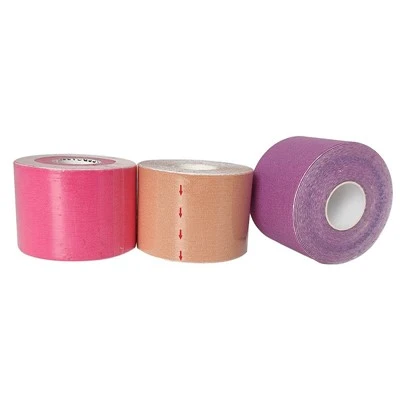
Cohesive bandages are self-adhesive medical bandages widely used in healthcare, sports, and other fields. Unlike traditional bandages, they adhere only to themselves, allowing for secure wrapping of wounds or joints without sticking to skin or hair. As a supplier of medical tapes and bandages, L WELL will explain why cohesive bandages are so popular and their effective applications in medical settings.
What Are the Benefits of Cohesive Bandages?
Before diving into specific uses, let's explore why cohesive bandages are so widely favored:
• Self-Adhesive – Cohesive bandages stick only to themselves, preventing wound irritation upon removal. This makes them suitable for sensitive skin.
• Controlled Compression – Their elasticity allows flexible adjustment of tightness during wrapping. Proper pressure helps reduce swelling and supports injured areas.
• Multiple Sizes Available – These bandages come in various widths and lengths, making them easy to wrap around ankles, wrists, fingers, and more.
• Comfortable Wear – Made from breathable, soft, and lightweight materials like cotton and non-woven fabric, they ensure long-term comfort without causing skin irritation or infection, even in humid conditions.

Main Uses of Cohesive Bandages

1. Sports Protection and Stabilization
Cohesive bandages are commonly used for pre-sport injury prevention. Football players often wrap their fingers and ankles with these bandages, especially in "on-field" situations. They allow finger flexion while restricting excessive extension, reducing the risk of hyperextension when catching a ball. Additionally, their high elasticity mimics natural muscle and ligament tension, providing support.
2. Post-Surgical Wound Dressing
Skin-friendly materials are required for covering surgical incisions or securing catheters. Cohesive bandages, being latex-free and hypoallergenic, could be a choice. Available in various sizes, they quickly cover different wounds, preventing bacterial entry. Their elasticity ensures they stay secure even during patient movement.
3. Sprain and Strain Treatment
These bandages are frequently used for treating joint sprains and muscle strains. By tightly wrapping the injured area, they create a splint-like support structure, limiting joint movement and preventing further damage. However, avoid wrapping too tightly to maintain proper blood flow.
4. Everyday Wound Protection
During outdoor activities or household chores, minor scrapes, cuts, or blisters are common. Cohesive bandages can replace traditional adhesive bandages for quick wound coverage. Their breathable surface keeps wounds dry, speeds up scabbing, and lowers infection risks.
5. Swelling Reduction
For conditions like edema or varicose veins, doctors often recommend compression therapy with elastic bandages to improve blood circulation. Cohesive bandages serve this purpose well. They provide adjustable pressure and can be applied in a gradient wrap (from distal to proximal) to help reduce swelling.
Conclusion
Cohesive bandages are popular for their self-adhesive, breathable, and versatile properties. They help with medical care, sports protection, and everyday wound management.
Find the Perfect Bandage from L WELL
As a professional medical bandage manufacturer, L WELL provides hypoallergenic cohesive bandages and OEM/ODM services at competitive prices. Our bandages are designed for hospitals, sports facilities, outdoor adventures, and military training. Visit the L WELL official website today and consult our experts to find the perfect product for your needs.