Introduction
Choosing the right Vet Wrap bandage depends on the animal, the body area, and the purpose of the wrap. A cohesive bandage used to secure a wound dressing around a dog's leg may have different requirements from one used to cover an already wrapped area on a horse or a small animal. The underlying dressing or padding, the movement involved, and the coverage required all influence product selection.
For importers, wholesalers, and veterinary product distributors, these differences matter when building a product range for different customer markets. A single specification may serve several applications, but it should not be assumed to suit every wrapping situation. Buyers need to identify the intended use first, then assess the material, elasticity, adhesive properties, and dimensions that support it. Reviewing a veterinary cohesive bandage range provides a starting point for comparing available options.

1. Start with the Intended Veterinary Application
The same Vet Wrap bandage can serve different purposes, but each application places different demands on the product. Buyers should first establish whether the bandage will secure a wound dressing, cover an already wrapped area, or provide flexible external support.
Securing Wound Dressings
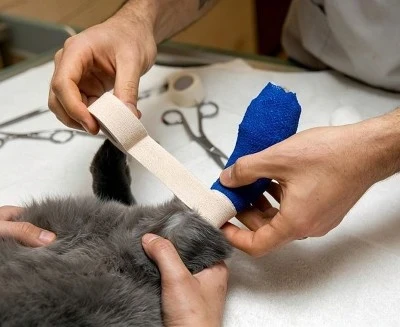
One of the main applications of Vet Wrap is to hold an existing wound dressing in place. As an outer securing layer, the cohesive bandage wraps around the dressing and adheres to itself, helping keep the underlying materials in position during normal movement. This is particularly useful around limbs and other areas where dressings may shift.
For this application, the bandage needs to conform to the wrapped area without making application unnecessarily difficult. Fabric flexibility, manageable stretch, and reliable self-adherence are relevant selection factors. The dimensions should also provide sufficient coverage for the dressing and any underlying padding.
Vet Wrap is generally used to secure or protect a primary dressing, not as a replacement for material intended to contact the wound directly. This distinction matters when describing the product to veterinary customers.
Protecting an Already Wrapped Area
In some applications, Vet Wrap provides an additional outer covering over an area that has already been dressed or wrapped. It helps hold the underlying materials in position while providing a flexible external layer.
The shape of the body area affects how easily the bandage can be positioned. A relatively flat area may be simpler to wrap than a joint or another contoured area. The fabric should follow the surface without creating unnecessary bulk, and the cohesive properties should be suitable for its role as an outer layer.
Providing Flexible External Support
Vet Wrap may also be used for light external support or compression. Its stretch characteristics and application technique both influence the result, so buyers should assess whether the product is suitable for the intended use.
Self-adherence should not be confused with structural support. A bandage that sticks firmly to itself does not automatically provide stronger compression or immobilize a joint. Vet Wrap is not a substitute for a rigid immobilization device or purpose-designed orthopedic support.
2. Match the Bandage to the Animal and Body Area
Animal type helps define the target market, but the actual wrapping area is often more important when choosing a product. Circumference, contour, movement, and the available wrapping space can vary considerably, even among animals of the same species.
Dogs and Cats: Consider Body Size and Wrapping Location
Dogs and cats cover a wide range of body sizes, making it difficult to select a product based on species alone. A bandage used around a small limb or treatment area needs different coverage from one applied to a larger or more contoured part of the body. The dressing or padding underneath also affects the amount of material required.
A general veterinary distributor may need several size options for different treatment situations, while a specialist supplier may focus on a narrower assortment. Fabric flexibility and ease of handling are particularly relevant when wrapping small or curved areas. The bandage should adhere to itself as intended rather than relying on adhesion to fur or skin.
Horses and Livestock: Consider the Application and Working Conditions
Equine applications can involve larger wrapping areas and frequent movement, particularly around the legs. Livestock applications vary according to species, body area, and the type of veterinary care involved. A cohesive bandage may be used to secure a dressing or protect an already wrapped area, but the requirements are not necessarily the same across these markets.
Buyers should identify the main applications served by their customers before deciding which products to stock. Consistent stretch, cohesive performance, and convenient handling are useful considerations, especially when the bandage needs to cover a larger area. Roll dimensions should also suit the intended application rather than being selected simply because the product is marketed for horses or livestock.
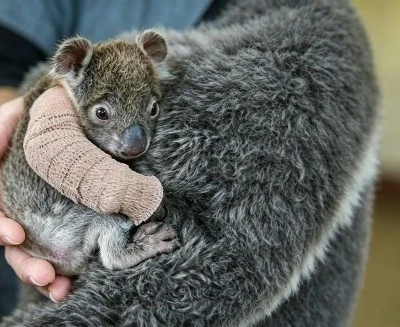
Koalas and Other Wildlife: Focus on Manageable Handling
Koalas and other wildlife patients may require veterinary bandaging during treatment and rehabilitation. Their body contours and treatment areas can differ from those commonly encountered in routine companion-animal care, making careful positioning and manageable handling important.
For suppliers serving wildlife-care or specialist veterinary markets, sample evaluation should focus on whether the material can be unwound, positioned, torn, and secured without making the wrapping process unnecessarily difficult. The choice of bandage still depends on the treatment area, underlying dressing, and intended purpose.

3. Select Material and Adhesive Features for the Application
After identifying the application and wrapping area, buyers can compare the fabric and adhesive characteristics. These features influence how the finished bandage stretches, conforms, and adheres to itself.
Fabric Construction and Elasticity
A common Vet Wrap construction combines nonwoven fabric with spandex. The nonwoven material forms the fabric base, while spandex contributes stretch and flexibility. This combination helps the bandage follow different body contours, but the presence of spandex alone does not establish whether the finished product is suitable for a particular application.
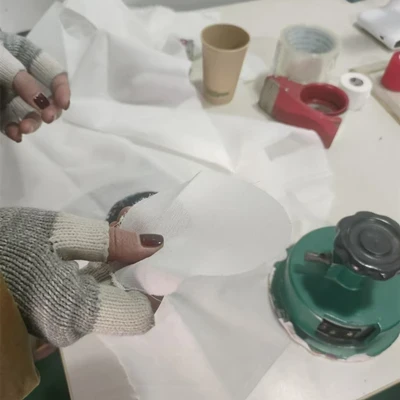
Buyers should also consider grammage, elastic ratio, tensile strength, and the handling characteristics of the finished roll. Grammage relates to fabric weight per unit area, elastic ratio describes stretching characteristics, and tensile strength indicates resistance to pulling forces. These indicators provide useful information about the material, but none should be treated as a complete measure of application suitability. Sample evaluation can help establish whether the fabric has the required feel, stretch, recovery, and tearability.
Adhesive Options and Self-Adherence
Vet Wrap is available with latex and latex-free adhesive options. The adhesive system affects how the bandage holds to itself, but performance depends on the formulation and how it interacts with the fabric base. Buyers should assess the finished product rather than assume that one adhesive category is automatically stronger or more suitable.
For markets with specific latex-free requirements, buyers should review the product and material information supporting the claim. Latex-free should not automatically be interpreted as hypoallergenic or as a guarantee that the product is free from every possible source of sensitivity. Adhesive viscosity and solid content help monitor the formulation during production, while peel strength and practical sample evaluation provide further information about finished-product adhesion. Buyers who need a deeper review of latex-free formulation and labeling can consult a dedicated Vet Wrap selection guide.
4. Check Product Consistency and Application Safety
Once the required application and product characteristics are clear, quality assessment helps determine whether the manufacturer can deliver a consistent finished bandage. This matters particularly for repeat orders, where differences in fabric, adhesive, dimensions, or winding can affect handling.
What to Check in the Finished Bandage
Quality checks should cover both material properties and the finished roll. Manufacturers may monitor fabric grammage, elastic ratio, tensile strength, and water resistance, as well as adhesive viscosity, solid content, and peel strength. These indicators serve different purposes and should not be treated as interchangeable measures of overall quality.
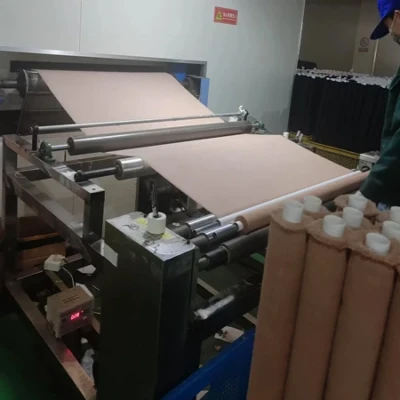
Finished-roll checks are also important. Rewinding affects roll diameter, winding tightness, and length, while slitting determines finished width and edge quality. A bandage with suitable fabric and adhesive characteristics may still be inconvenient to use if it is wound inconsistently or has uneven edges. L WELL's quality-control process includes material and adhesive checks as well as inspection of rewinding, slitting, and packaging.
Understand the Limits of the Product
Vet Wrap should be selected and described according to its intended role. Excessive tension or inappropriate application can create unwanted pressure, so the bandage should be used in accordance with appropriate veterinary guidance and the requirements of the specific application.
For distributors, accurate product positioning is part of responsible sourcing. Vet Wrap is generally an outer securing or protective layer, not a primary wound-contact dressing or a rigid immobilization device.

5. Plan the Product Range Around Customer Demand
For B2B buyers, the goal is not to add every available variation to a catalogue, but to select a practical assortment for the animal markets and applications they serve. A distributor supplying general veterinary clinics may need a broader selection than a wholesaler focused on equine or livestock products. A pet-care supplier may prioritize companion-animal applications, while a specialist distributor may serve several categories.
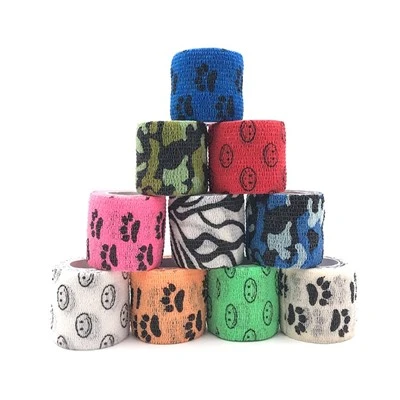
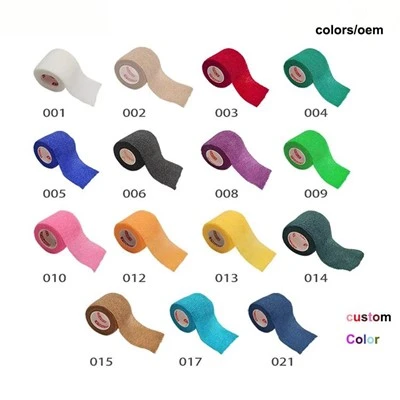
Buyers can start by identifying the most common wrapping situations among their customers and deciding whether they need different dimensions or adhesive options. Product presentation, including solid colors, printed designs, and private-label packaging, can then be considered alongside these functional requirements.
6. Confirm Custom Specifications and Supplier Consistency
Standard Vet Wrap options include nonwoven fabric with spandex, latex or latex-free adhesive options, widths of 2.5, 5, 7.5, 10, and 15 cm, and a standard length of 4.5 m. Custom dimensions and product presentation options may be considered when standard products do not match a buyer's requirements. These may include different roll dimensions, colors, printed designs, labels, or private-label packaging. L WELL supports custom bandage options covering materials, dimensions, printing, and packaging.
Before bulk ordering, buyers should evaluate a sample against the intended application. Check whether the material is easy to handle, stretches and conforms as expected, tears cleanly, and adheres to itself reliably. Roll dimensions, winding condition, printing, labels, and packaging should also match the agreed requirements. Any changes made during sample evaluation should be recorded in the approved specification.
A supplier's ability to maintain consistent material, adhesive, dimensions, and presentation is important for repeat orders. L WELL has more than 20 years of experience in medical and related bandage manufacturing, a 23,000 m² production facility, and dedicated R&D resources. Buyers should assess these capabilities alongside product-specific sample approval, agreed specifications, and quality checks rather than relying on factory scale alone.
Conclusion
Choosing the right Vet Wrap starts with the purpose of the wrap and the area being covered. Securing a dressing, protecting an already wrapped area, and providing flexible external support involve different requirements. Animal type helps define the market, but the actual wrapping area, coverage needed, fabric characteristics, and cohesive performance should guide the final selection.
For distributors and importers, a useful product range reflects real customer applications rather than simply offering the largest number of variations. If you are reviewing specifications or planning a veterinary cohesive bandage range, you can discuss your Vet Wrap requirements with L WELL.