Introduction
Choosing the right Vet Wrap bandage size involves two related decisions: how wide the roll should be and how much material it should contain. A narrow roll offers greater control around small or localized areas, while a wider roll covers more surface with each turn. Roll length determines how much material is available for an application and whether the format suits the intended use.
Neither specification should be selected based on animal size alone. The circumference and shape of the wrapping area, the length of the area to be covered, the dressing underneath, the required overlap, and the application technique all affect the choice. These factors are also important when comparing different Vet Wrap bandage options, since two rolls with different dimensions may serve quite different application needs.
How to Choose the Right Vet Wrap Bandage Width
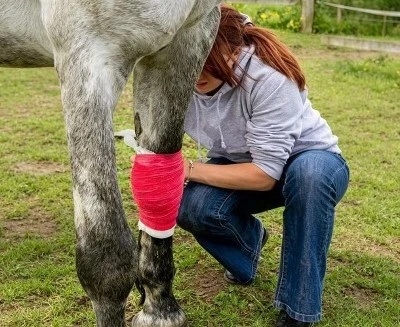
Width affects how much area each turn of the bandage covers, how easily the material follows a particular contour, and how much control the user has during application. The most suitable option depends on the anatomical area being wrapped rather than a fixed match between a roll size and an animal category.
Narrow Widths for Small or Localized Areas
Narrow Vet Wrap rolls, such as 2.5 cm and 5 cm widths, are useful when the wrapping area is relatively small or requires more precise handling. They can be easier to position around narrow areas, smaller limbs, and localized dressings where a wider strip may be difficult to control.
A narrower roll also allows the user to make smaller adjustments as the bandage follows changes in circumference. However, covering a larger area with a narrow width requires more turns and may take longer. The choice should therefore reflect both the size of the application area and the amount of coverage required.
Medium Widths for General Veterinary Applications
Widths of 7.5 cm and 10 cm provide a balance between coverage and handling. They can suit a range of general veterinary applications where the wrapping area is too broad for a narrow roll but does not require the coverage of the widest option.
These sizes are worth considering when a product line needs versatile options for different customers and application areas. The actual choice still depends on the shape and circumference of the area, the dressing or padding underneath, and how much overlap is needed between turns.
Wider Rolls for Larger Coverage Areas
A 15 cm roll covers a broader surface with each turn and may reduce the number of turns needed over a large, relatively even area. This can be useful when the application involves a wider limb section or a larger dressing.
Wider rolls are not automatically the best choice for every large animal or application. On narrow or irregularly shaped areas, excess width can make positioning more difficult and create material overlap that is not needed. Consider the actual wrapping area and the user's ability to handle the roll before selecting the widest size.
Check Coverage, Overlap, and Handling Before Finalizing a Width
A practical way to compare widths is to consider three factors together:
- Coverage: How much of the target area does each turn cover?
- Overlap: How much material needs to overlap between adjacent turns?
- Handling: Can the user position and control the roll comfortably around the area's contours?
The dressing underneath also matters. A padded area may have a larger circumference than the same area without padding, which can affect how the bandage sits and how much material is needed. If a product is intended for several application types, testing the proposed width on representative areas can provide a more useful basis for selection than relying on animal size alone.

How to Choose the Right Vet Wrap Roll Length
Roll length determines the amount of material available for an application. A suitable length should provide enough material for the intended coverage without making the roll unnecessarily large for the product's target use or packaging format.
Estimate Material Requirements From the Wrapping Area
The amount of Vet Wrap required depends on more than the length of the area being covered. The circumference of that area, the number of turns, the overlap between turns, and the application technique all affect material consumption.
For a more realistic estimate, consider:
- The circumference of the area, including any dressing or padding.
- The length of the area that needs to be covered.
- The overlap required between successive turns.
- The application tension and number of layers used.
These factors make it difficult to calculate a universal number of applications from a roll's stated length. Actual consumption can vary between users and application methods, so estimates should be based on the intended use rather than a single assumed coverage figure.
Assess Whether the Standard 4.5 m Roll Is Suitable
A standard 4.5 m roll can be considered as a starting point when planning a Vet Wrap product range. Whether it provides sufficient material depends on the application area and the way the bandage is used.
For a smaller or localized area, a roll may provide more material than one application requires. A larger area, a longer wrapping section, or an application involving additional overlap may consume more. If customers regularly use the product for different purposes, it is useful to evaluate the 4.5 m format against several representative applications rather than treating it as a universal size.
For wholesalers and distributors, the intended market also matters. A standard length may be suitable for a general-purpose product, while a different roll format may be worth considering for a specialized application or a particular retail pack.
Understand the Measurement Condition Before Comparing Roll Lengths
Stated roll length is not always enough to make a fair comparison between suppliers. Buyers should check how the length is measured and whether the stated figure refers to the material in a relaxed or stretched condition.
This distinction matters because cohesive elastic bandages can extend during use. Two products with the same stated length may not provide the same amount of material under comparable measurement conditions if their specifications are defined differently.
Before comparing samples or approving a specification, confirm the measurement method with the supplier. This helps prevent misunderstandings when reviewing product samples, preparing packaging information, and checking bulk production.
Match Roll Length to Application and Product Format
The intended product format should also guide the length decision. A roll designed for general veterinary use may need a different balance of material quantity and pack size from one developed for a more specialized application.
Consider how customers will use, store, and purchase the product. A longer roll may reduce the frequency of replacement in some applications, but it can also affect the finished roll size and packaging requirements. The final specification should balance usable material, handling, and the format expected by the target market.
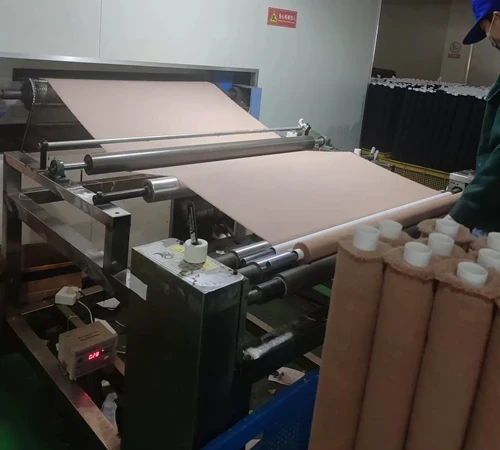
Comparing Standard Vet Wrap Bandage Sizes
Standard widths provide a useful starting point for product selection, but each size should be assessed in relation to the application area and the required roll length. The following table summarizes common width options and the considerations involved in choosing between them.
Standard Size Reference
|
Standard Width |
General Application Considerations |
|
2.5 cm |
Suitable for smaller or localized wrapping areas that require precise handling |
|
5 cm |
Offers more coverage than narrow rolls while remaining manageable around relatively small areas |
|
7.5 cm |
A versatile option for a range of general veterinary applications |
|
10 cm |
Provides broader coverage for medium-sized wrapping areas |
|
15 cm |
Covers larger areas with fewer turns but may be less convenient around narrow or irregular contours |
These are general selection considerations, not fixed assignments by animal type. The same width may suit different applications depending on the area being wrapped, the dressing underneath, and the user's technique.
Choose Width and Length as a Combined Specification
Width and length should be evaluated together rather than selected independently. A wider roll may cover more area with each turn, while the length determines how much material is available overall. The combination affects the amount of coverage, the number of applications a roll may support, and the finished product format.
When comparing products, record both dimensions clearly. For example, a specification should state the roll width and stated length separately, together with the agreed measurement condition for length. This makes it easier to compare products, review samples, and maintain consistent information across product listings and packaging.
When to Consider Custom Vet Wrap Dimensions
Standard sizes cover many common requirements, but they may not suit every market or application. Custom dimensions can be considered when a buyer has a clearly defined use case, packaging requirement, or product range strategy that cannot be addressed efficiently with the available standard formats.
Situations That May Require a Custom Size
Custom widths or lengths may be useful when a distributor serves a market with specific application preferences, when a product is intended for a particular dressing format, or when the standard roll dimensions do not fit the planned retail or professional-use pack.
Customization should solve a practical requirement rather than introduce unnecessary size variations. Too many similar options can complicate product selection, inventory planning, and repeat ordering. Buyers should first identify what the standard sizes cannot provide, then decide whether a different dimension would offer a meaningful advantage.
Prepare the Required Dimensions Before Requesting a Sample
Before discussing a custom size, prepare the key product details so that the proposed format can be evaluated accurately. These may include:
- Required roll width and length.
- Whether the length is measured in a relaxed or stretched condition.
- Intended application areas and expected coverage.
- Preferred roll diameter or packaging restrictions, if applicable.
- Target market and planned product format.
If the dimensions are still being evaluated, explain the application requirements rather than specifying a size without context. This gives the supplier a clearer basis for discussing feasible options and preparing a sample. Buyers exploring tailored product dimensions can also review the available customization options.
How to Check Vet Wrap Size Before Bulk Ordering
A size specification should be checked at both the sample approval stage and during bulk production. The first confirms whether the proposed product meets the buyer's requirements; the second helps maintain consistency across the order.
Verify the Sample Against the Agreed Size
When a sample arrives, check its width and length against the agreed specification. Use a consistent measuring method, especially when verifying roll length, and confirm that the measurement condition matches the supplier's stated method.
It is also useful to inspect the finished roll format. Roll diameter, winding tightness, and packaging dimensions can affect storage, handling, and retail presentation even when the stated width and length are correct.
If the sample is intended for a specific application, evaluate its dimensions in that context rather than checking measurements alone. Any changes to the agreed size or measurement method should be resolved before the sample is approved for bulk production.
Confirm Dimensional Consistency Across Production
Once the sample has been approved, the same dimensional requirements should be maintained during production. Width, length, rewinding diameter, and winding tightness are relevant inspection points because variation can affect both the finished roll and the buyer's packaging or inventory plans.
Buyers should make sure that the approved sample and final specification are used as the basis for bulk inspection. For a broader view of the checks involved in manufacturing, L WELL's quality control process covers product inspection and production quality management.
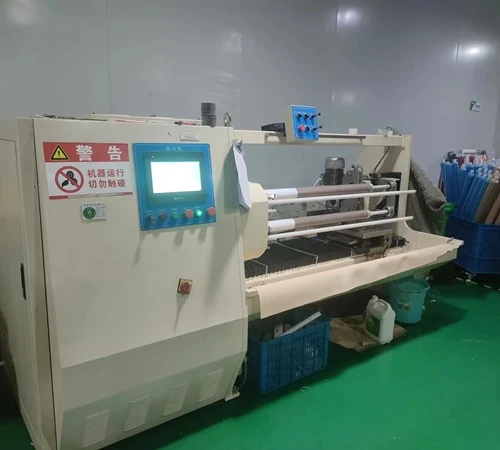
Planning a Practical Vet Wrap Size Range for Wholesale
For wholesalers and distributors, choosing individual roll dimensions is only part of product planning. The range should reflect the applications and purchasing habits of the customers they serve, without creating unnecessary overlap between similar products.
Prioritize Sizes Based on Your Customer Market
A product range can start with the widths most relevant to the target market, then expand when customer demand supports additional options. For example, a distributor serving general veterinary supply channels may prioritize versatile standard widths, while a supplier focused on specialized applications may need a more targeted selection.
Review customer feedback, existing sales patterns, and the applications most frequently requested. This helps distinguish genuinely useful size variations from options that add complexity without meeting a clear need.
Keep Product Specifications Clear for Reordering
Clear specifications make it easier for customers to identify the correct product and for distributors to reorder consistently. Product listings, quotations, sample records, and packaging should use the same width and length information.
Where different lengths or measurement conditions are offered, state them explicitly rather than relying on a general product name. Consistent specification records reduce the risk of ordering a different format by mistake and make it easier to compare repeat orders with the originally approved sample.

Conclusion
Choosing the right Vet Wrap bandage width and length requires more than matching a roll to an animal category. Width should reflect the circumference, shape, and coverage needs of the wrapping area, while length should account for the area to be covered, overlap, application technique, and measurement condition.
For distributors and wholesalers, the most practical approach is to start with the standard sizes that fit their customer base, verify samples against clear specifications, and consider custom dimensions only when there is a defined market need. If you are planning a Vet Wrap product range or reviewing roll dimensions for an upcoming order, you can discuss your size requirements with L WELL.